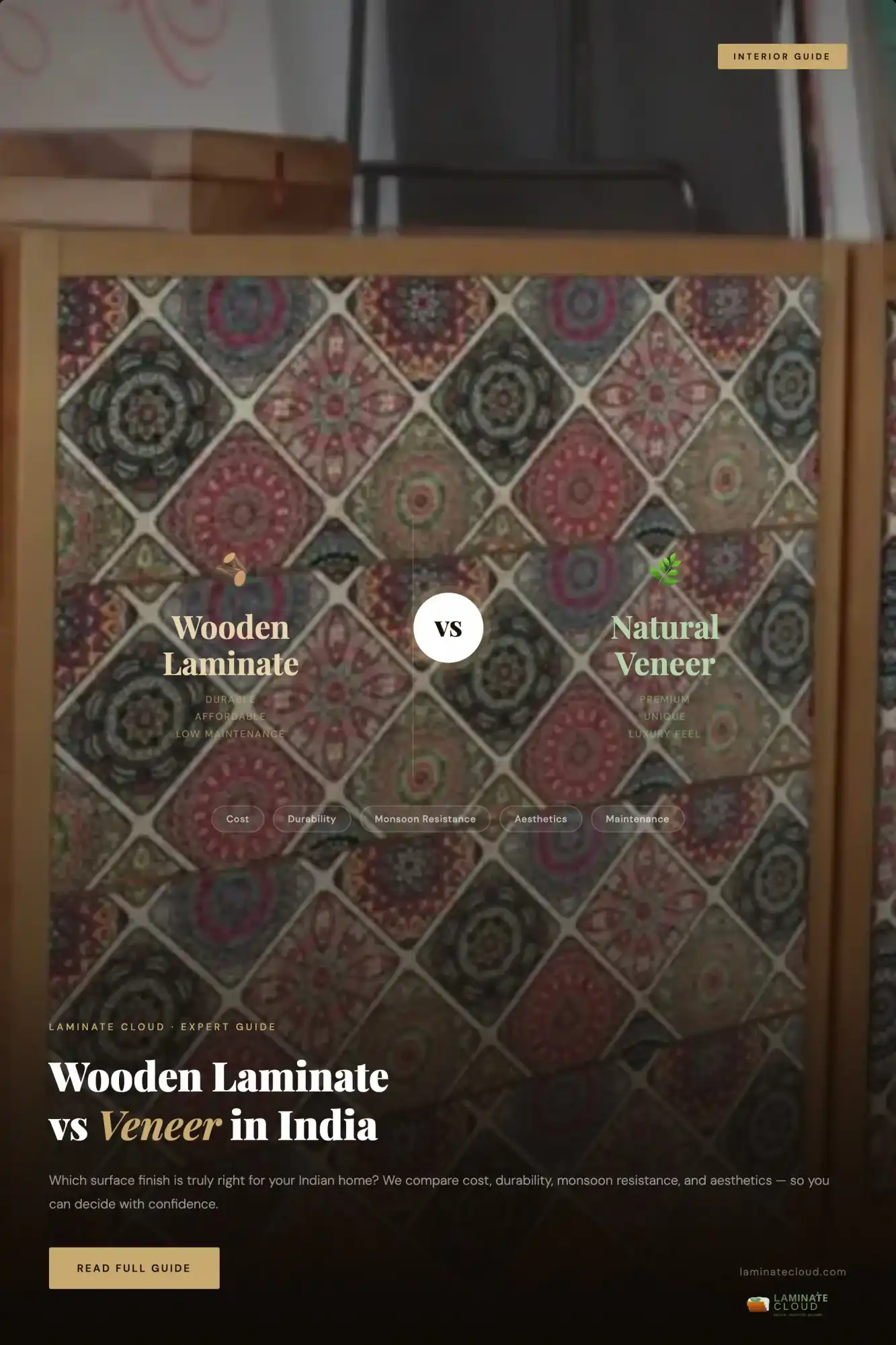
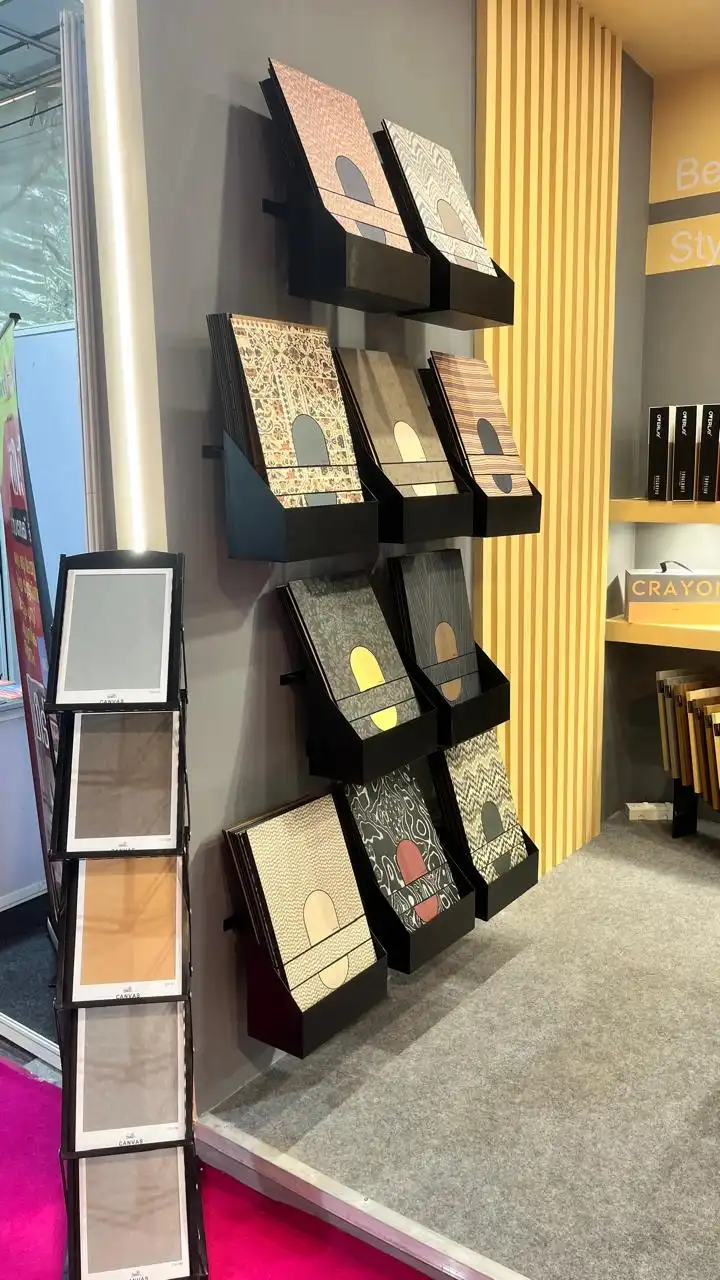
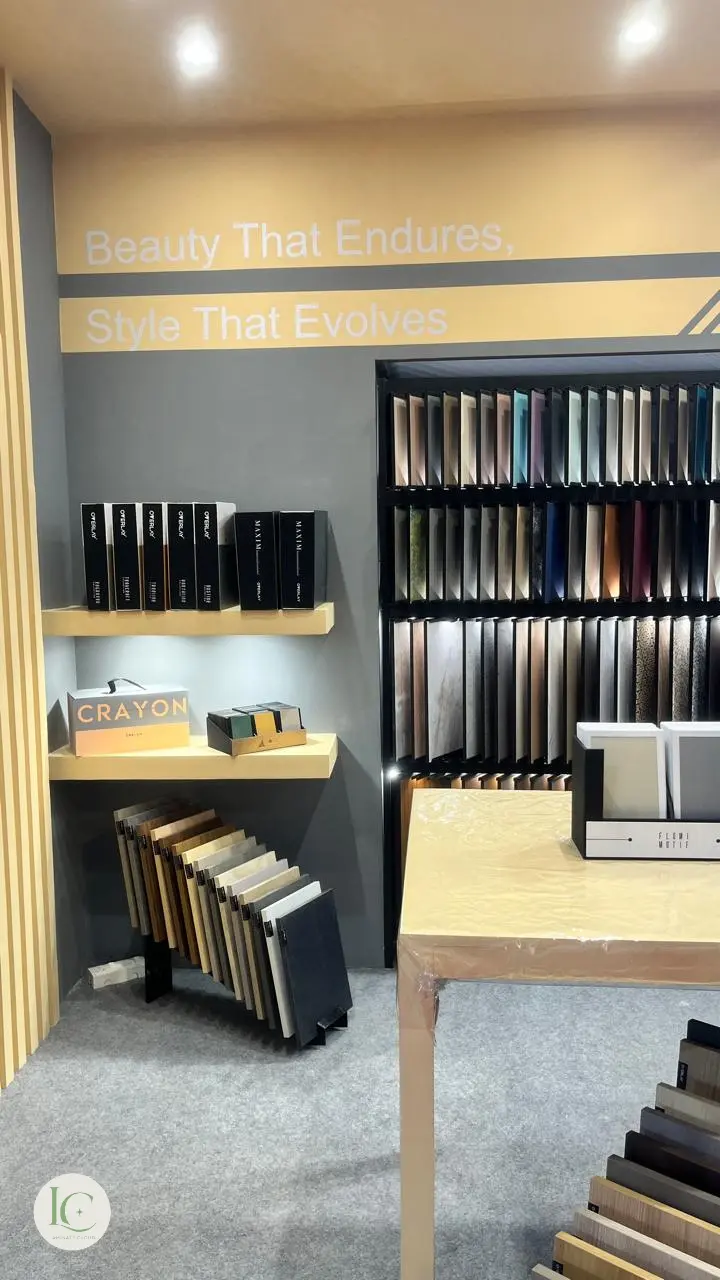
Many people mistake laminate for veneer due to their similarities; despite their likenesses, these types of materials have different purposes and are meant to fulfill those purposes. If you don't choose the correct material for your project, you could face increased installation costs, weather damage to your material (e.g., warped surface), or even pay much higher than the amount of value achieved depending on your project.
In addition to providing you with detailed comparisons between laminate and veneer materials (including their composition, cost, durability, care/maintenance, and suggested uses), we have provided you with enough information about both laminate and veneer that will allow you to confidently make an informed decision on which type of material will provide the best results in your home or business project.
What is Wood Laminate?
A wood laminate is a synthetic sheet made from multiple layers of kraft paper and plastic resin bonded under heat and pressure. The top decorative surfaces have been printed with wood grain patterns (e.g., oak, walnut, teak and wenge), covered by a protective wear layer.
Wood laminates give high durability, scratch resistance, and moisture resistance. While they look like wood, they are designed to withstand heavy use and abuse in Indian homes. Embossed, synchronised and open pore wood are now so closely matched that, from a distance, a person cannot determine what is wood and what is laminate.
What is Veneer?
A veneer is a sheet of real wood, cut into a thin slice from a log. Veneer thickness is between 0.5 mm to 0.6 mm. The veneer is bonded (glued) to a base material, such as plywood or MDF. Each cut of veneer is from the same log and therefore has a unique appearance due to the different grains in the wood. All veneers appear different from one another.
The most popular veneers sold in India include:
- Burma Teak
- American Walnut
- Rosewood
- Oak
- Maple
These woods are used primarily for premium and luxury interior design projects, because they provide the authentic warmth of real wood, which is essential to the design.
Cost Comparison in India
This is where most Indian buyers are hit hardest with the price difference. The price range of wooden laminates is significantly less expensive than veneers; laminated flooring costs between 30–₹150 per sq ft depending on the brand, finish, or thickness, while a veneer made out of a natural tree requires skilled labor for installation and completion (using either PU or melamine) and usually costs approximately 2 to 3 times as much.
With an entire house, i.e., wardrobes, kitchen cabinets, tv unit & study table - if you choose laminate over veneer you'll have saved several lakhs and still have a quality-looking solid wood product.
Durability in Indian Climate is Critical
The extreme summer heat, excessive humidity of the monsoon, and the high coastal moisture level of many Indian cities (such as Mumbai, Chennai & Kochi) represent a significant threat to the performance of all surface materials as they must survive the rigors of the climate. This is one area where wooden laminates are much better than veneer for most Indian homes.
Because veneer is made from real solid wood, it can swell, warp and/or crack due to variable humidity levels, which is a common area of failure for materials used in India. In contrast, laminate surfaces resist moisture, heat, and humidity much more effectively than veneer, do not expand or contract with the seasons, and therefore, your kitchen shutters and cupboard doors will remain properly aligned for the entire year, with no noticeable gaps or sticking..
In addition to all of the above, for families that have very active kitchens or very high-traffic areas, the practical benefits of having a surface which is scratch- and stain-resistant, compared to veneer which would require constant polishing, cannot be overemphasized.
Aesthetics – Natural Feel vs. Variety of Designs
The one clear aesthetic advantage of veneer is that it is made from real wood. Each sheet of veneer has a unique grain that is organic, whereas all printed laminates cannot duplicate the natural grain of wood. For the luxury living room, high-end boardroom and statement bedroom, there is no substitute for the warmth and richness of veneer.
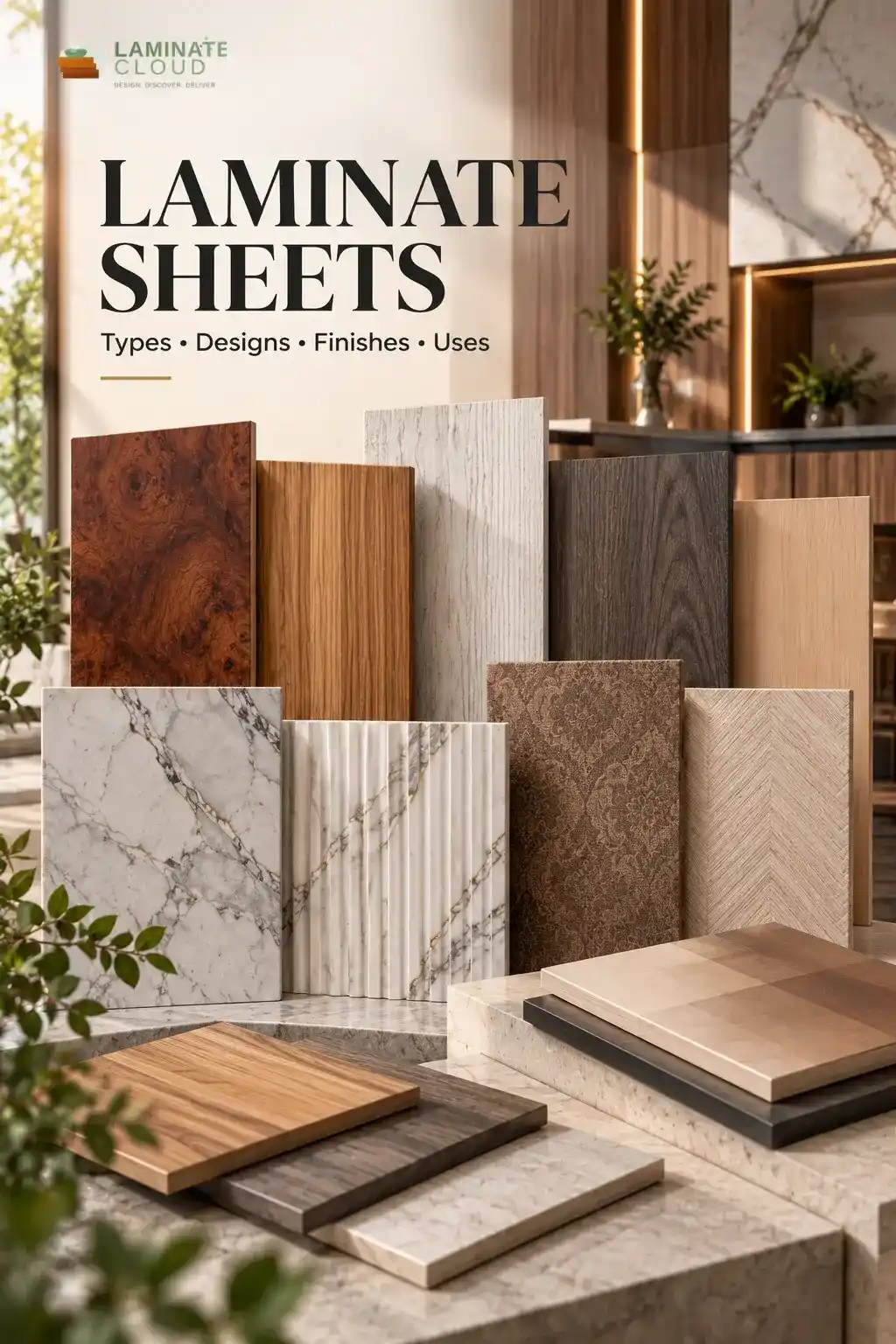
However, modern wooden laminates have come a long way. Quality laminates today, especially with embossed, synchronised or open-pore finishes, resemble real wood much more closely and they offer the opportunity to give the homeowner or designer many more options in design. Laminates today are available in hundreds of different designs ranging from classic oak and teak to today’s popular geometric and stone designs.
Maintenance – Laminate Wins for Busy Indian Households
If you want to keep the appearance of veneer looking like new, you'll have to regularly polish it. However, if you neglect to do so for long enough, the surface will become dull, and worn with scratches. The only option would then be to have it refinished by a specialist; this can add considerable costs to your ongoing maintenance costs.
On the other hand, (for the laminate version), you do not need to perform any regular maintenance. All that's needed is to wipe the surface down with a dry or damp rag on a regular basis, and your laminate surface will continue to look as good as when it was first installed. No polishing; no refinishing; no need for any specialty cleaners. For families who frequently use their furniture (not just for display), this is another huge practical win!
Which Should You Choose?
Choose Wooden Laminate if:
- You desire a natural appearance on kitchen cabinets, wardrobes, study tables or office equipment
- Your project is in a humid area such as Mumbai, Chennai, Kolkata or Cochin
- Your child will use it or lots of heavy daily traffic, thus being subject to scratches & stains
- You have a budget and still want it to look good
- You need a greater selection of designs, textures and colours
- You want a nation-wide consistency of supply for commercial or large projects
Select Veneer as your choice if:
- You are creating a lavish bedroom, expensive lounge or a top of the line office reception.
- You are looking for unique natural furniture pieces where individuality is the most important aspect.
- You're designing in a controlled/uncontaminated environment with low humidity.
- Your financial resources are available for ongoing upkeep or professional polishing.
Most Frequently Asked Questions
- Is laminated wood going to be more affordable than wood veneer?
Yes, laminated wood is without a doubt going to be much cheaper; laminated wood will usually run 2-3 times less than doing wood veneers. The price difference between these two methods for large projects will add up to hundreds of thousands of rupees.
- Laminate or wood veneer, which will work best for kitchen cabinets?
Laminate is the best option for Indian kitchen cabinetry because it holds up much better to moisture, heat, grease, and scratching than wood veneer. It is more likely that wood veneer will warp or swell when placed in an environment that will support these conditions.
- Are wood veneers and laminate going to be very similar?
There are some modern laminates that have an embossed finish, a synchronized finish, or an open-pore finish that look and feel very much like real wood. In most applications, there is very little difference in appearance between the two.
- Laminate vs wood veneer, which has the longer lifespan?
Laminated woods are typically good for 10-15+ years (with minimal upkeep). Wood veneers should last longer than that; however, you must continuously maintain them through polishing and other upkeep.
- Will you deliver my order of laminate boards that have a wood finish?
Yes, we can deliver any decorative laminate that has a wood finish anywhere in India, as Laminate Cloud sells and distributes ornamental and finishing materials. We also sell ornamental and finishing materials in bulk and at retail-friendly prices; for more information on our products, visit Laminate Cloud.
Ultimately, when considering the needs of most Indian households and commercial spaces, there is no comparison between wood-based laminate products and veneers. Laminates offer greater levels of durability, moisture resistance, ease of maintenance, significantly greater variety in design style, and a significantly lower overall cost than veneers. Veneers should only be used in premium and luxury applications where the character of solid wood is an integral part of the overall design.
The good news for consumers is that they will always have to choose between aesthetics and functionally. Both can be achieved by using the right laminate finish.
To view our complete collection of decorative laminates with a wood finish, visit laminatecloud.com — we have bulk ordering capabilities and deliver to anywhere in India.
 Track Your Order
 Info@laminatecloud.com
 Exclusive Offer
Currently Available
Exclusive Offer
Currently Available