Choosing the ideal laminate for use in a modular kitchen is not simply about color or aesthetics. Surfaces in a kitchen are subjected to heat, water, grease, stains, fingerprints, and regular cleaning. Ideal laminates need to provide a good combination of all of the above. Here we will explain the different laminate finishes suited for various kitchen areas.
Which Laminate is the Most Suitable for a Modular Kitchen?
Most modular kitchens would benefit from using a high-quality 1mm decorative laminate. The appropriate type of laminate depends on the nature of kitchen use and design preferences.
Explanation
The laminate used in kitchens should be able to withstand higher abuse compared to that which is installed in bedrooms and decorative walls. There are steam, heat, oils, and food stains.
Before buying, consider these factors:
Laminate thickness
Surface finish
Scratch resistance
Stain resistance
Moisture resistance
Ease of cleaning
Colour and texture
Quality of installation
Overall budget
The laminate that measures 1 mm thick is recommended for kitchen shutters and other exterior parts of the home that come into contact frequently. Thickness, however, is just one factor that should be considered when purchasing laminate. Other factors include the composition, surface characteristics, adhesive, substrate, and installation.
Current guides to kitchen laminate focus on the same characteristics.
Example
In the case of an active kitchen environment where a lot happens, you may go for a strong matte or texture laminate for lower cabinets while choosing a complementary laminate for upper cabinets.
For a small-sized kitchen, you should use light color with a reflective finish so that the kitchen looks bigger.
Statistics
One of the most common sheet dimensions for laminate is 8 × 4 feet, which means 32 square feet per sheet.
It is important to note the sheet dimensions before buying laminate sheets because it varies from one company to another.
Which Laminate Finish Is Best for Kitchen Cabinets?
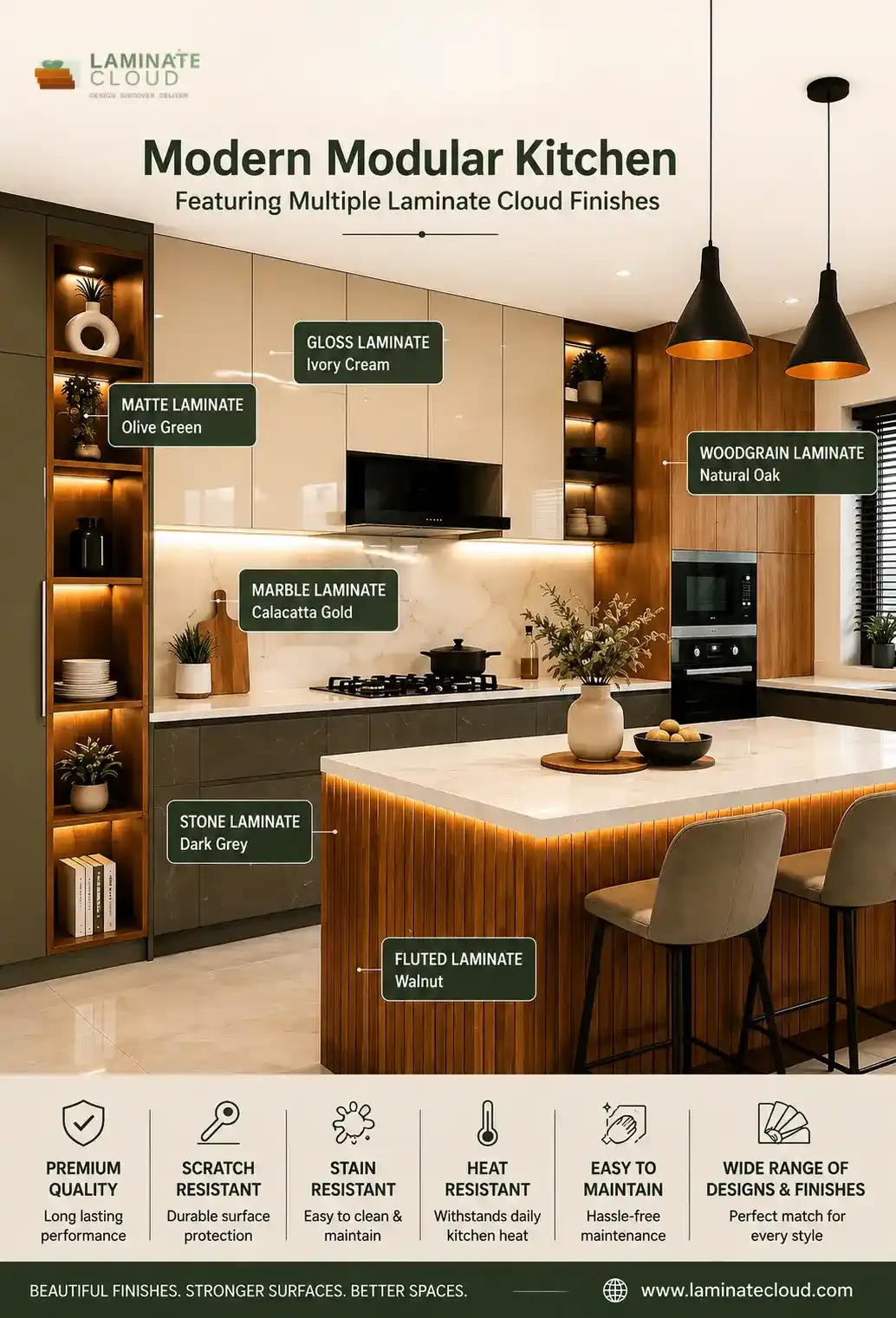
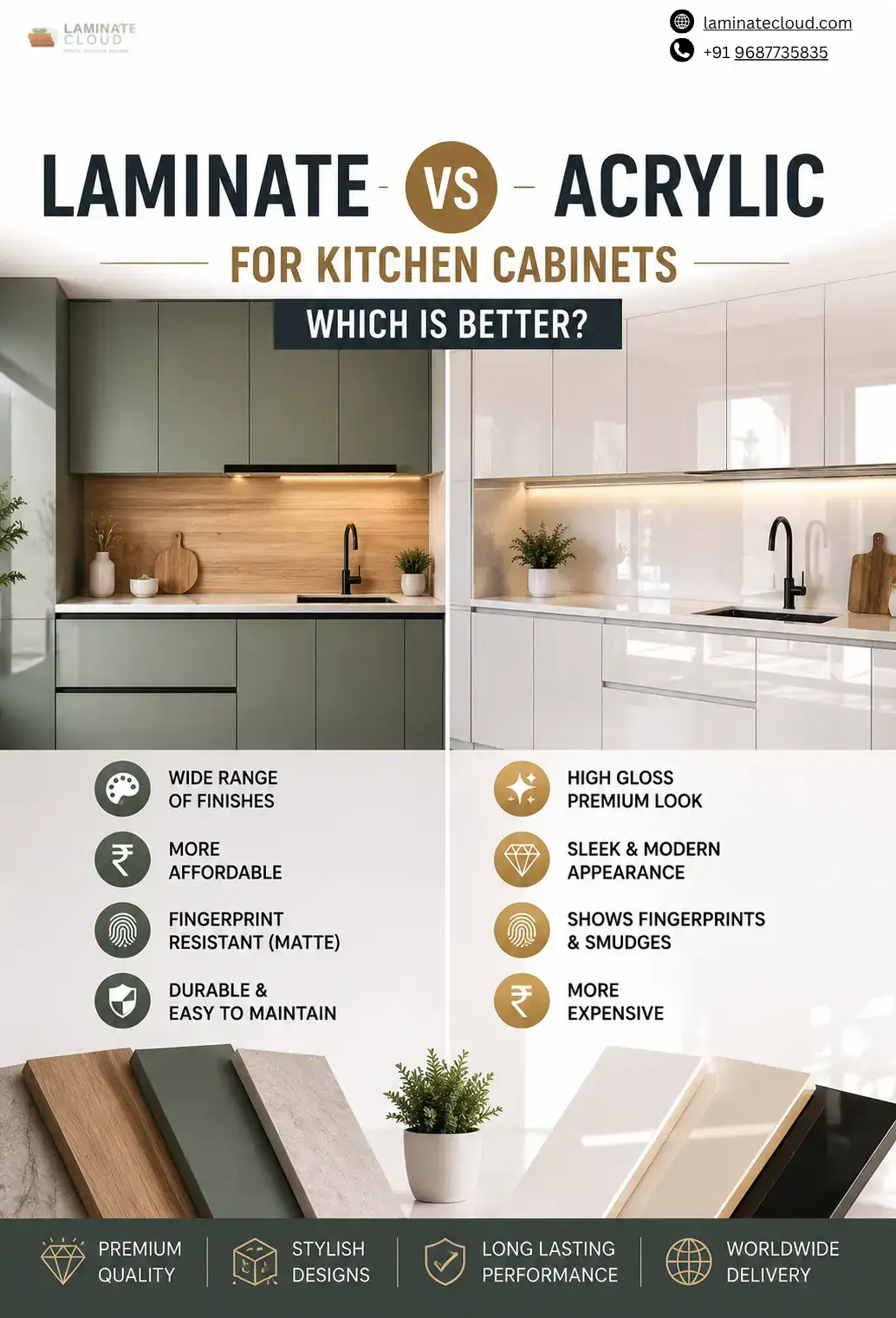
Matte laminates are ideal where fingerprints, glare, and surface marks are issues. Glossy laminates are preferable for those seeking a more luxurious look.
Supporting details
Matte Laminates
Matte laminates have a low reflection surface that makes them suitable in modern and minimal kitchens.
Pros:
Hides fingerprints better
Low glare
Soft premium look
Suitable for neutral colors
Ideal for modern kitchens
Glossy Laminates
Glossy laminates reflect more light, and thus they are perfect for brightening up small kitchens.
Pros:
Luxurious look
Reflective surface
Perfect for contemporary kitchens
Brightens up dark spaces
However, these come with maintenance challenges, as fingerprints, water marks and other surface marks are more likely to show up.
Textured and Woodgrain Laminates
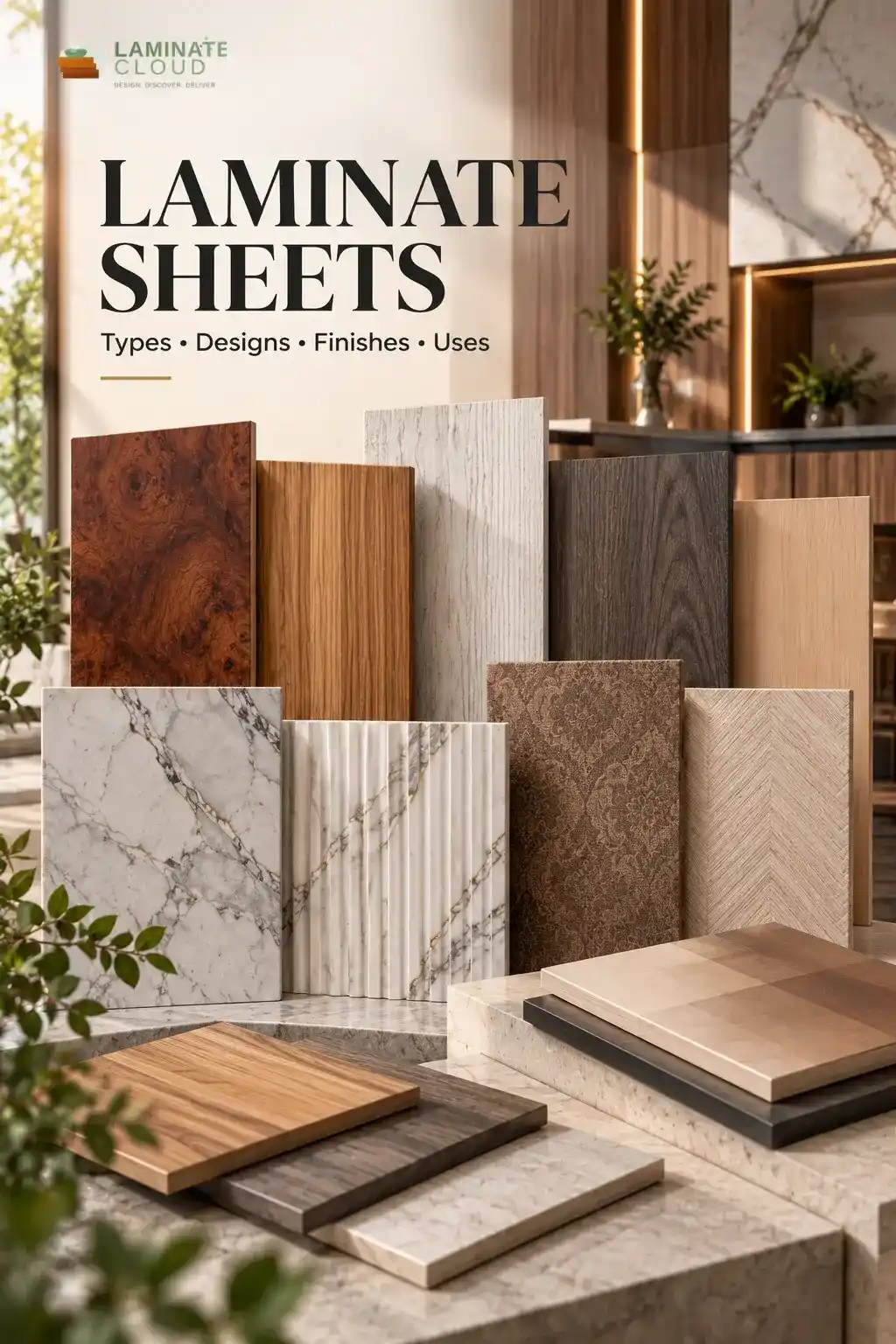
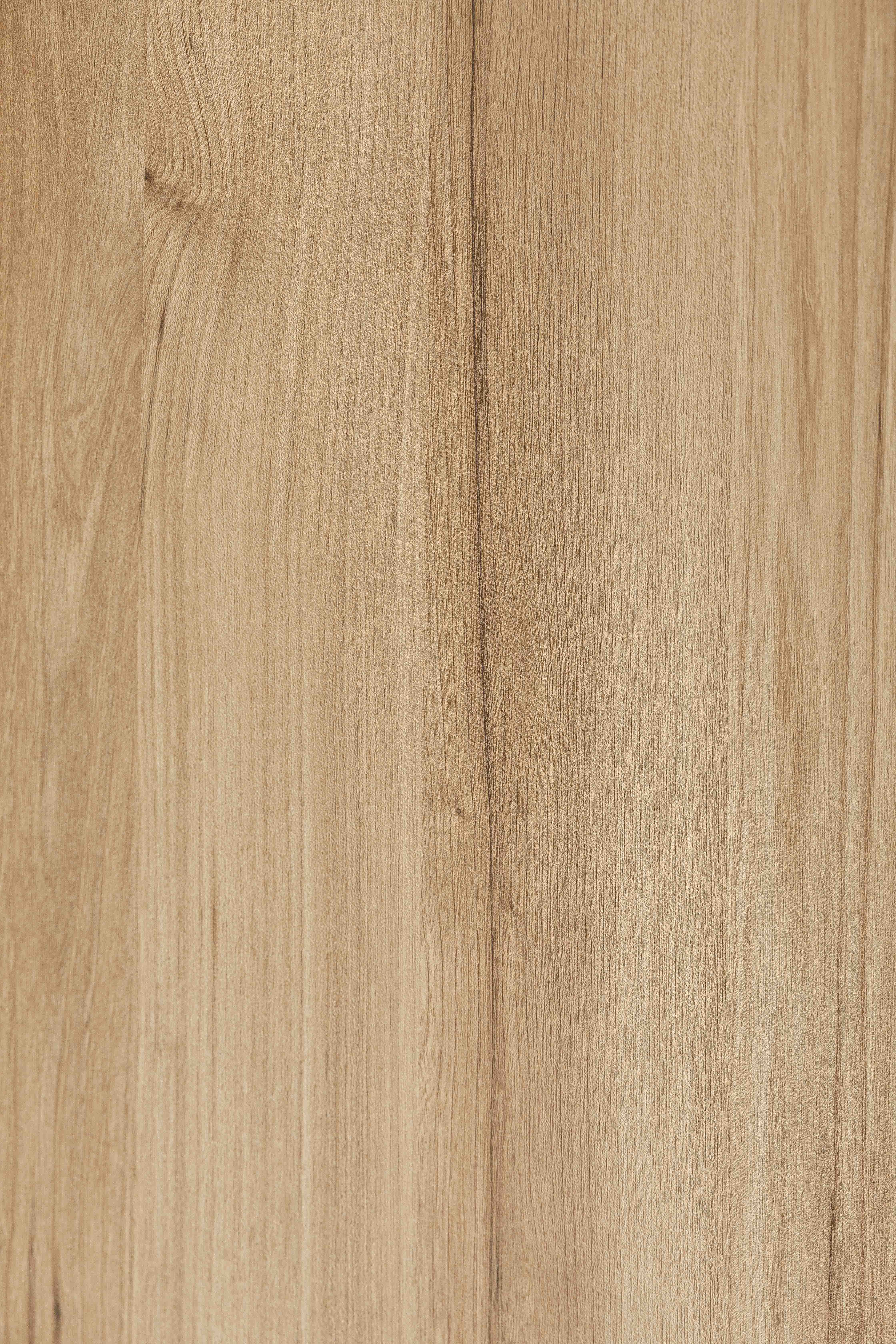
Textured laminates provide an interesting visual element. Woodgrain laminates are especially helpful where there is a need to create a wooden look without using wood veneer.
Example
In a modern white kitchen, it is best to go with a soft matte laminate and a woodgrain laminate on the selected cabinets.
In a darker kitchen, go for a lighter glossy laminate on the upper cabinets to bring more visual brightness.
What Laminate Thickness Should You Choose for a Modular Kitchen?
For exterior kitchen shutters and surfaces that get frequent handling, the most commonly used thickness of laminate is 1mm. However, thinner laminates can prove useful for some interior or vertical applications, and the appropriate thickness must be selected based on the application and manufacture’s recommendations.
Supporting details
The thickness determines the finish, durability, and application of a laminate, but the thicker sheets are not always the better choice.
The best approach would be to:
Application
Laminate consideration
Kitchen shutters
1mm is a common choice
Cabinet sides
Depends on design and usage
Internal cabinet areas
Thinner options may be suitable
Feature panels
Choose according to application
Heavy-use surfaces
Consider higher-performance specifications
Never opt for laminate on the basis of a recommendation from a carpenter regarding a specific thickness. Always ask for the product specifications and know where the laminate is to be applied.
Example
In case your kitchen renovation involves an entire overhaul of the kitchen, you may wish to have high-quality 1 mm laminate on the outer shutters, whereas lower-grade laminate on inner surfaces can save you money.
You can thus balance costs without making all visible surfaces low-grade ones.
Which Kitchen Laminate Colours Are Best for Modern Homes?
The best kitchen laminate colour depends on your kitchen size, lighting, flooring, countertop and overall interior style. Light neutrals, wood tones, earthy colours and selected darker shades are versatile choices for modern kitchens.
Supporting details
Popular combinations include:
White + Wood
Creates a warm and clean appearance.
Beige + Brown
Works well for traditional and contemporary interiors.
Grey + White
A simple combination for modern kitchens.
Green + Wood
Adds colour while retaining a natural appearance.
Black + Wood
Creates a dramatic premium look.
Cream + Walnut
Suitable for warm and elegant interiors.
Example
For a small apartment kitchen, consider:
Upper cabinets: Light beige or white Lower cabinets: Walnut or medium woodgrain Countertop: Light or dark contrasting surface
For a larger kitchen:
Upper cabinets: Neutral matte Lower cabinets: Deep green, charcoal or woodgrain Accent: Textured laminate
What Features Should You Check Before Buying Kitchen Laminates?
Look beyond the colour. The laminate should match the conditions where it will be installed and the level of daily use it will receive.
Supporting details
Before placing an order, check:
1. Thickness
Confirm the actual thickness rather than relying only on the product name.
2. Surface finish
Choose matte, glossy, textured, woodgrain, stone or another finish based on your usage.
3. Cleaning requirements
Ask whether the surface can be safely cleaned with the products you normally use.
4. Moisture exposure
Areas near sinks and wet zones require careful material selection and proper installation.
5. Heat exposure
Laminate should not be treated as a surface for direct flame exposure. Areas around cooking appliances need appropriate installation and ventilation.
6. Scratch resistance
For busy kitchens, consider surfaces designed for higher everyday wear.
7. Colour consistency
Order sufficient material from the same product range and batch where possible.
8. Installation quality
Even a good laminate can perform poorly if the substrate, adhesive, pressing or edge finishing is inadequate.
Example
If your kitchen has heavy daily cooking, prioritise easy maintenance and durability over choosing a laminate purely because its colour is trending.
How Much Does Kitchen Laminate Cost?
Kitchen laminate cost depends on thickness, finish, design, quality, sheet size, brand, quantity and application. A premium textured or specialty finish can cost more than a basic decorative laminate.
Supporting details
Do not compare laminate prices only by sheet price.
Also consider:
Number of sheets required
Cutting wastage
Adhesive
Installation
Edge finishing
Transportation
Product finish
Thickness
Replacement cost
A cheaper laminate may not always be cheaper for the complete project if it requires replacement or does not deliver the desired finish.
Example
Suppose your kitchen needs 10 sheets.
Buying a lower-cost laminate may reduce the initial material bill. But if a premium laminate gives you the finish, durability and appearance you actually want, the difference should be evaluated against the entire kitchen budget.
For an accurate cost, calculate the required surface area first and then compare suitable laminate products.
Which Laminate Is Best for Different Kitchen Areas?
There is no single laminate that is automatically best for every part of a kitchen. The right choice depends on exposure, visibility and frequency of use.
Supporting details
Kitchen Shutters
Prioritise appearance, durability, fingerprint visibility and cleaning.
Recommended direction: Matte, glossy, textured or premium decorative laminates depending on your design.
Lower Cabinets
These receive frequent handling and may experience more contact with water and cleaning materials.
Recommended direction: Choose a durable, easy-maintenance finish.
Upper Cabinets
These generally experience less physical contact.
Recommended direction: You have more freedom to prioritise colour and appearance.
Cabinets Near the Sink
Moisture management becomes especially important.
Recommended direction: Choose suitable moisture-resistant materials and ensure proper edge sealing and installation.
Cabinets Near the Hob
Heat and grease exposure are important considerations.
Recommended direction: Choose a suitable laminate specification and maintain appropriate distance, ventilation and installation practices.
15 Kitchen Laminate Design Ideas for 2026
If you are looking for kitchen laminate designs, consider these combinations:
Matte white and natural wood
Beige and walnut
Charcoal grey and light oak
Sage green and cream
Navy blue and white
Black and walnut
Warm grey and beige
Marble-inspired laminate with neutral cabinets
Dark woodgrain with cream
Soft pastel with white
Terracotta with natural wood
Concrete-inspired grey with wood
Ombre laminate as an accent
Textured laminate with plain matte cabinets
Stone-inspired laminate with warm woodgrain
The important point is not to use every trend together. Choose two or three complementary finishes and maintain visual consistency.
How Can You Choose the Right Laminate for Your Kitchen?
Start with your kitchen’s usage and layout, then choose the finish, colour and design. Finally, compare product specifications and samples before placing the order.
Supporting details
Use this simple process:
Step 1: Decide your kitchen style.
Modern, minimal, classic, luxury or natural.
Step 2: Choose the finish.
Matte, glossy, textured, woodgrain, stone or another suitable finish.
Step 3: Choose the colour.
Consider cabinets, flooring, walls, countertop and natural light.
Step 4: Check technical specifications.
Review thickness, surface properties and recommended applications.
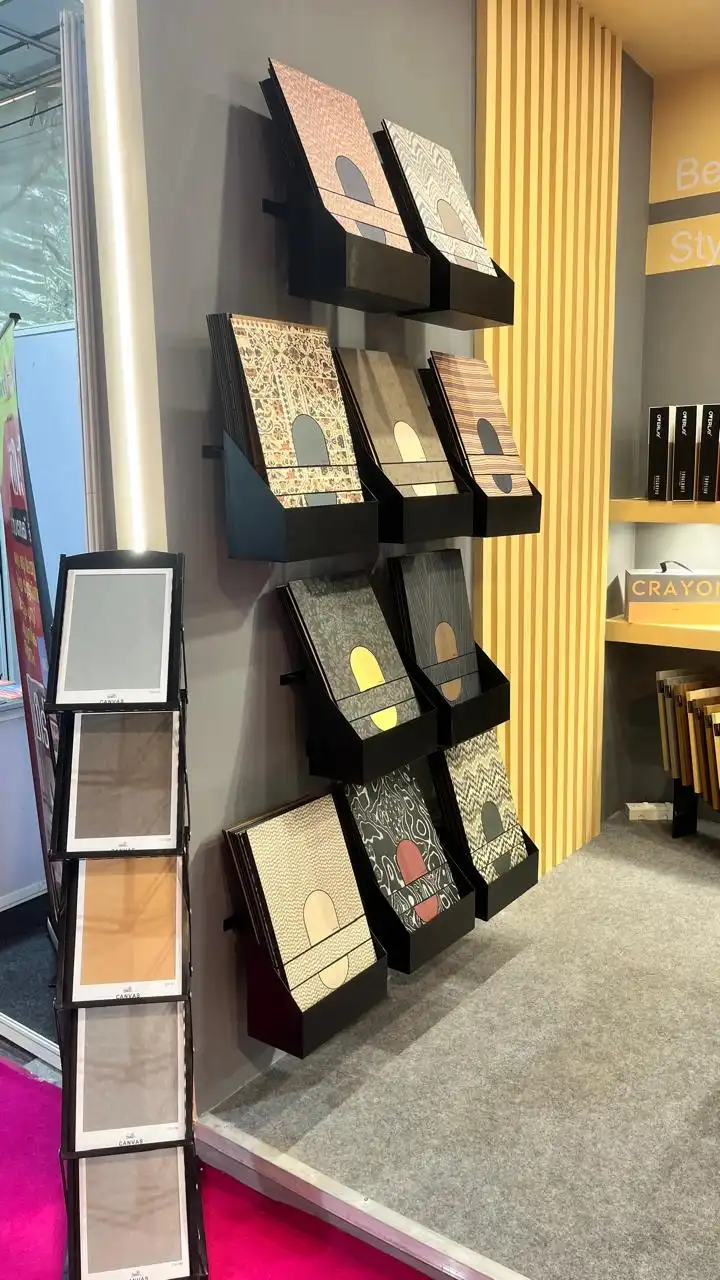
Step 5: Compare physical samples.
Screen colours can look different from the actual laminate.
Step 6: Calculate quantity.
Account for cutting and installation wastage.
Step 7: Order from a reliable supplier.
Check product details, availability, delivery and sample options before purchasing. for detailed information you can check our blog
Frequently Asked Questions
Is 1mm laminate good for a modular kitchen?
Yes, 1mm laminate is commonly used for kitchen shutters and visible exterior surfaces. However, overall performance also depends on laminate quality, substrate, adhesive and installation.
Is matte or glossy laminate better for a kitchen?
Matte is generally easier at hiding fingerprints and glare. Glossy gives a brighter, reflective appearance but can show fingerprints and marks more easily.
Which colour laminate is best for a small kitchen?
Light colours such as white, cream, beige and light grey can make a small kitchen feel more open and bright. Woodgrain can be added for warmth.
Are dark laminates suitable for kitchens?
Yes. Dark laminates can create a premium appearance, especially when balanced with lighter walls, countertops or upper cabinets.
Is laminate waterproof?
Do not assume every laminate is completely waterproof. Laminate performance depends on the product and installation. Areas exposed to water also require proper substrate protection and edge sealing.
Is laminate heat resistant?
Many decorative laminates can tolerate normal kitchen conditions, but they should not be exposed to direct flame or extreme heat. Always check the manufacturer’s product specifications.
How do I clean kitchen laminate?
Use a soft cloth and a suitable mild cleaning solution. Avoid abrasive materials and harsh chemicals unless the product manufacturer specifically recommends them.
Can I use different laminates in the same kitchen?
Yes. Combining two complementary laminates can create contrast and make the kitchen more visually interesting. Avoid using too many unrelated patterns.
Should I buy laminate samples before ordering?
Yes. Physical samples are useful because colour, texture and finish can look different under your home’s lighting than they do on a screen.
Where can I buy kitchen laminates online in India?
You can explore kitchen-suitable decorative laminates from Laminate Cloud, compare available designs and select products based on your preferred finish and application.
Conclusion
The best laminate for a modular kitchen is not simply the most expensive or the most fashionable option. Choose a laminate based on durability, finish, maintenance, colour, application and budget. For frequently used kitchen shutters, a suitable 1mm decorative laminate is a practical starting point. Compare physical samples, check product specifications and choose a finish that fits your lifestyle. Explore Laminate Cloud’s laminate collection to find designs for modern kitchens, cabinets and other interior applications.
 Track Your Order
 Info@laminatecloud.com
 Exclusive Offer
Currently Available
Exclusive Offer
Currently Available