If you are planning a kitchen, wardrobe, furniture piece, TV unit, office, or an entire interior, laminate sheets are one of the easiest ways to change the look of a surface without replacing the underlying material.
The choice, however, is no longer limited to a few wood-grain patterns. Today, laminate sheets are available in marble looks, stone textures, fabric-inspired surfaces, fluted patterns, cane textures, digital designs, high-gloss finishes, matte surfaces, and more.
The real challenge is choosing the right one.
A laminate that looks excellent on a wardrobe may not be the most practical choice for a kitchen. Similarly, a glossy sheet can create a completely different feel from a matte or open-pore finish, even when both have a similar colour.
This guide explains the different types of laminate sheets, popular designs and finishes, where they are used, what affects laminate sheets price, and what to check before buying.
What Are Laminate Sheets?
Laminate sheets are decorative surface materials used to cover substrates such as plywood, MDF, particle board, and other suitable interior surfaces.
They are available in different colours, patterns, textures, thicknesses, sizes, and surface finishes. Depending on the design, a laminate can imitate the appearance of natural wood, marble, stone, fabric, metal, or other decorative surfaces.
For furniture and interior projects, the appeal is fairly straightforward: you can change the visible finish of a surface without changing the entire base material.
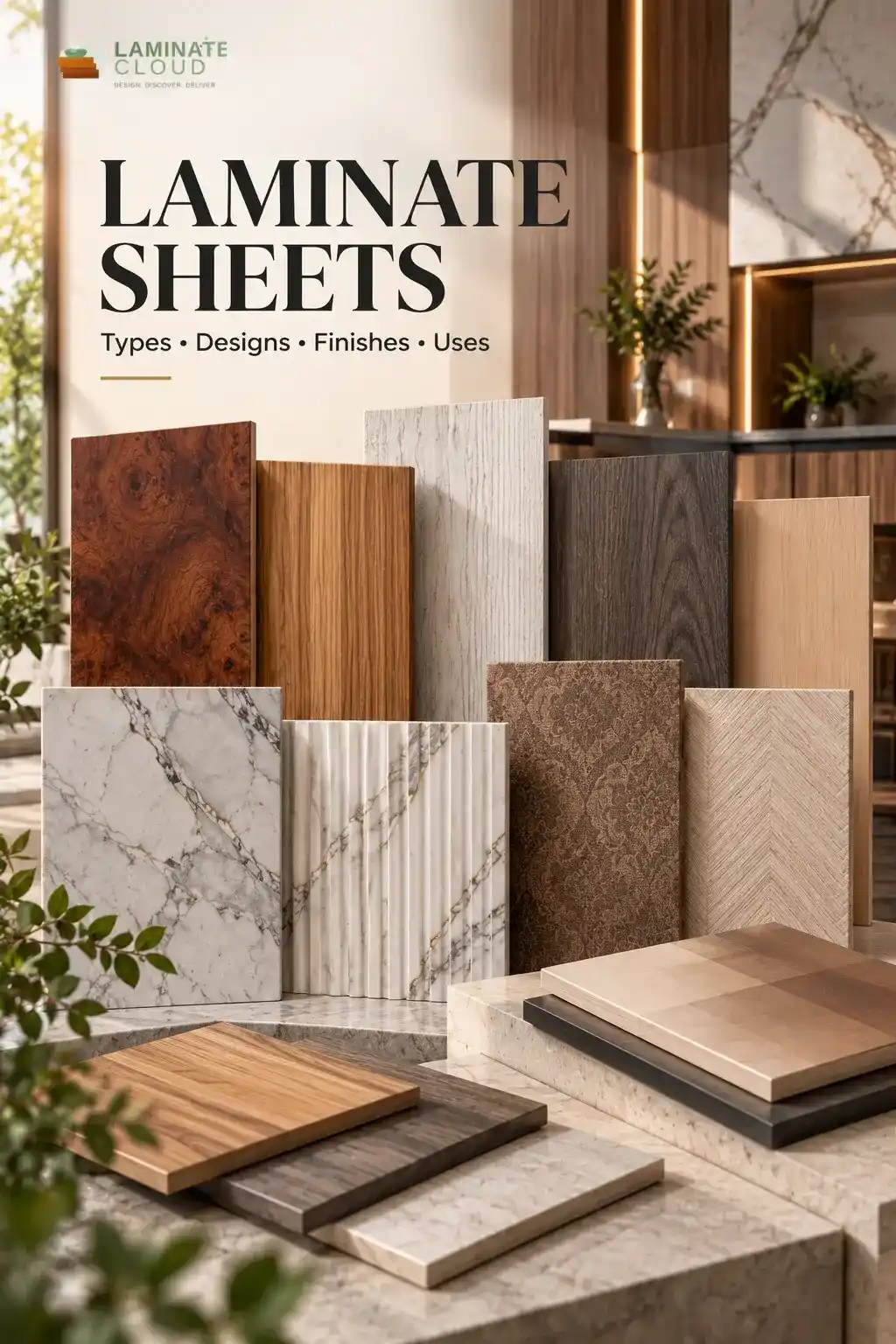
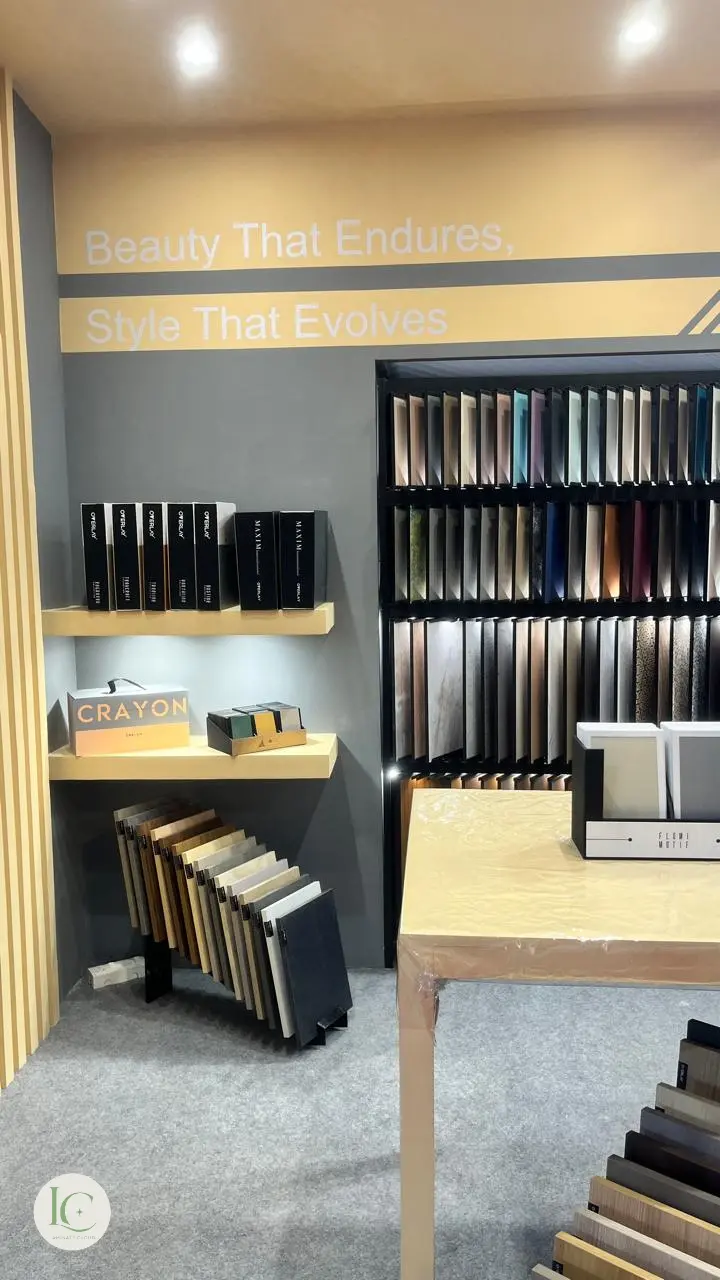
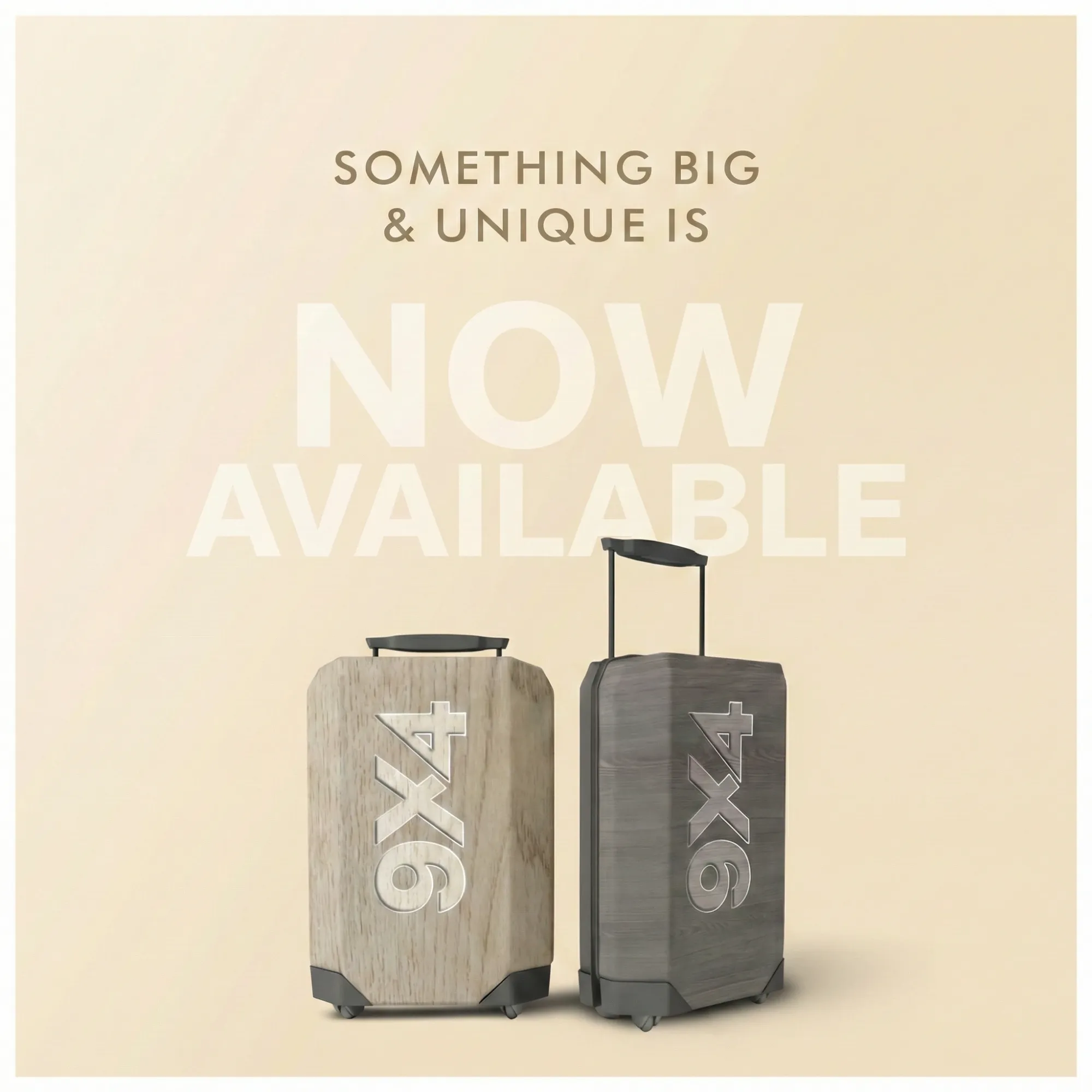
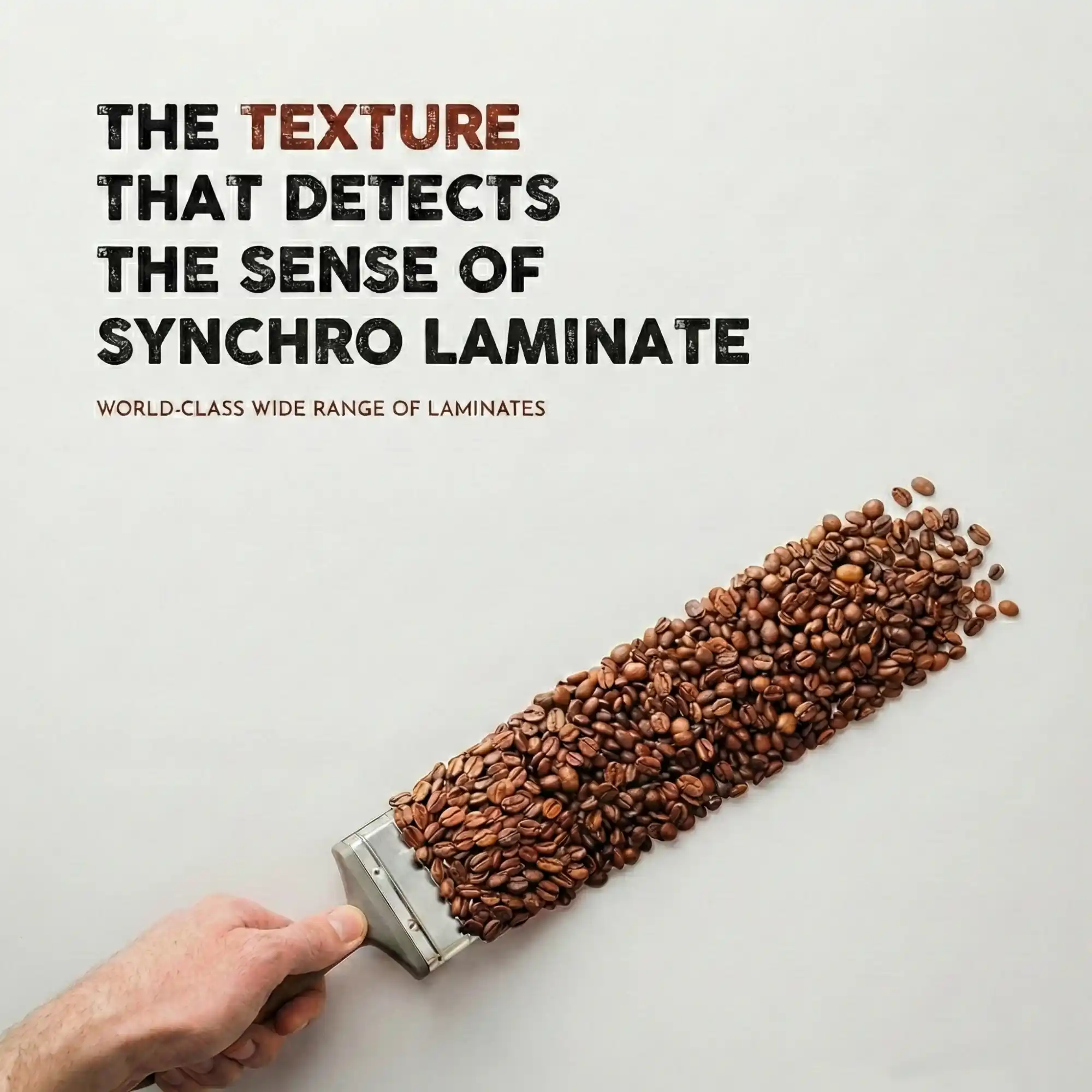
Laminate Cloud’s current catalogue includes decorative laminates in categories such as wooden, veneer, digital, glossy, stone, fabric, dyed, synchro, marble, cane, ombre, fluted, canvas, hybrid, and 9×4 laminates.
Types of Laminate Sheets
There is no single “best” laminate sheet for every project. The right option depends on the surface, room, design style, maintenance expectations, and budget.
Here are some of the major types you can consider.
1. Wooden Laminate Sheets
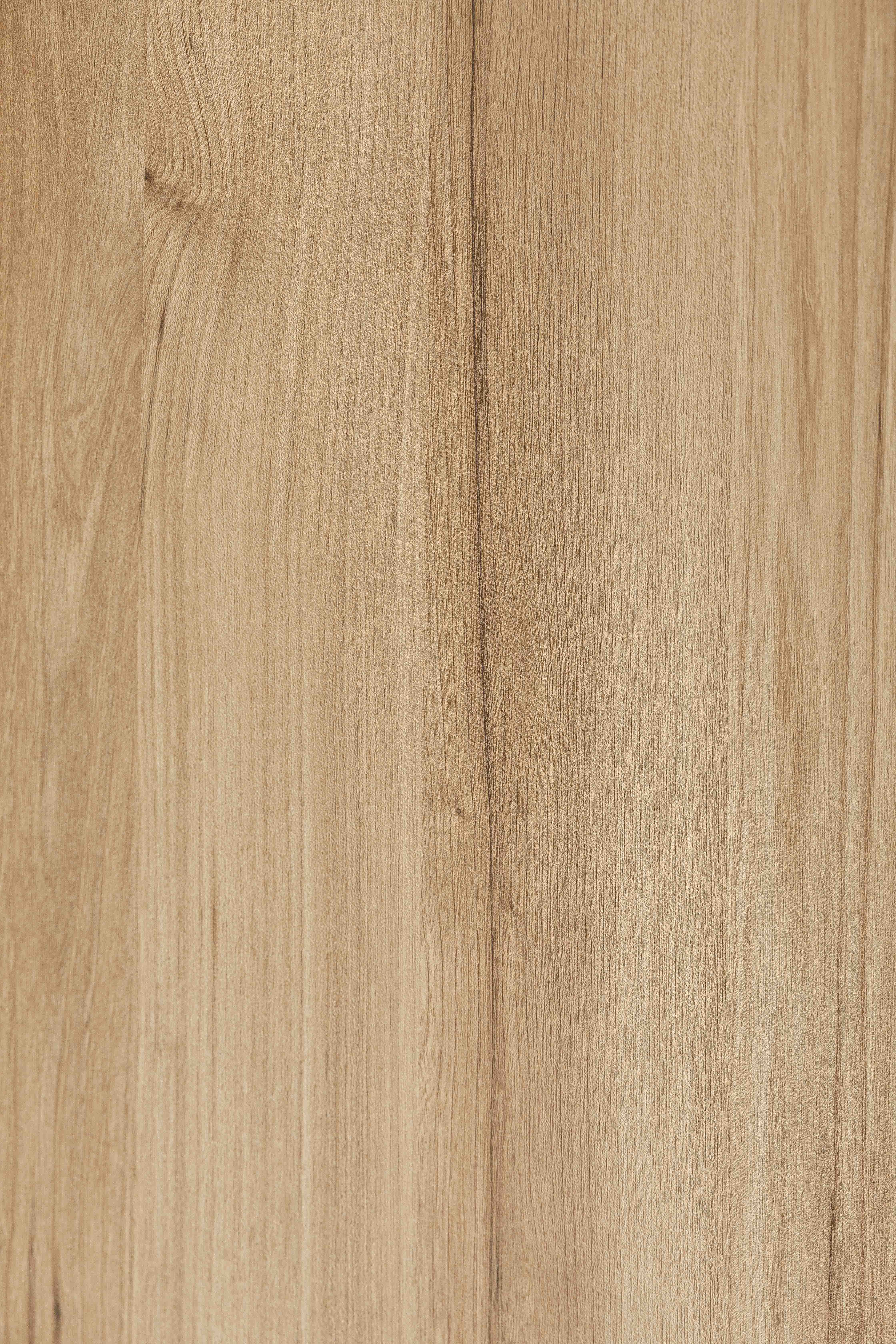
Wood-finish laminate remains one of the most versatile choices for interiors.
It can give furniture and cabinets the appearance of timber while offering a much wider range of colours and patterns than choosing one natural wood species.
Wooden laminates work particularly well for:
Wardrobes
Kitchen cabinets
Storage units
TV units
Office furniture
Wall panels
Bedroom furniture
The available designs can range from warm brown wood grains to grey, whitewashed, darker, or more contemporary patterns.
If you specifically want a natural-looking surface, look for details such as grain direction, texture, and whether the finish has an open-pore or more uniform appearance.
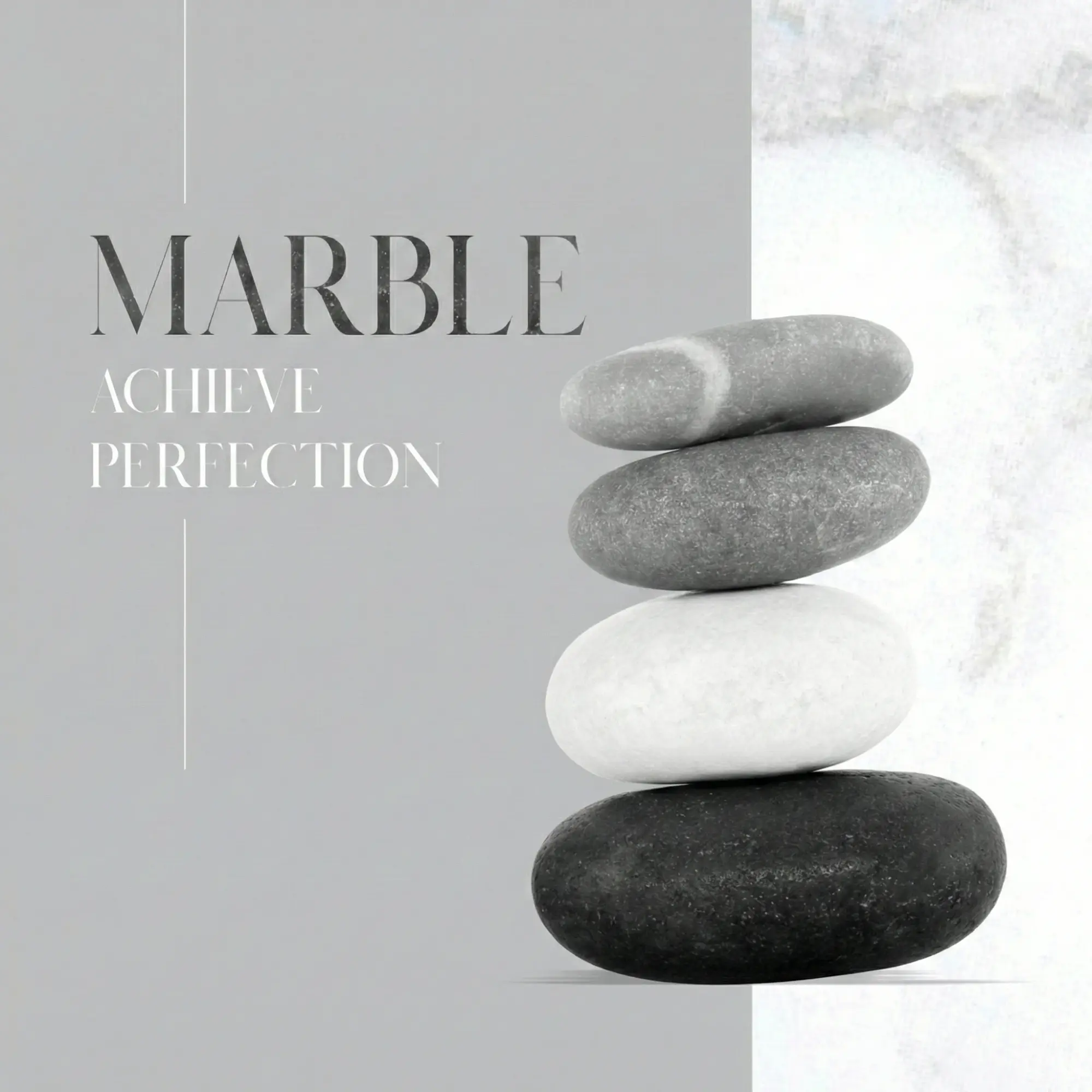
2. Marble Laminate Sheets
Marble-look laminates are useful when you want the visual character of marble without using an actual marble surface.
Depending on the design, you can find light backgrounds with subtle veins, darker marble patterns, or more dramatic high-contrast designs.
They can work well for:
Feature surfaces
TV units
Furniture
Wall panels
Decorative areas
Selected kitchen applications
Marble laminates are particularly useful when the goal is to create a premium-looking surface while keeping the material choice practical for furniture applications.
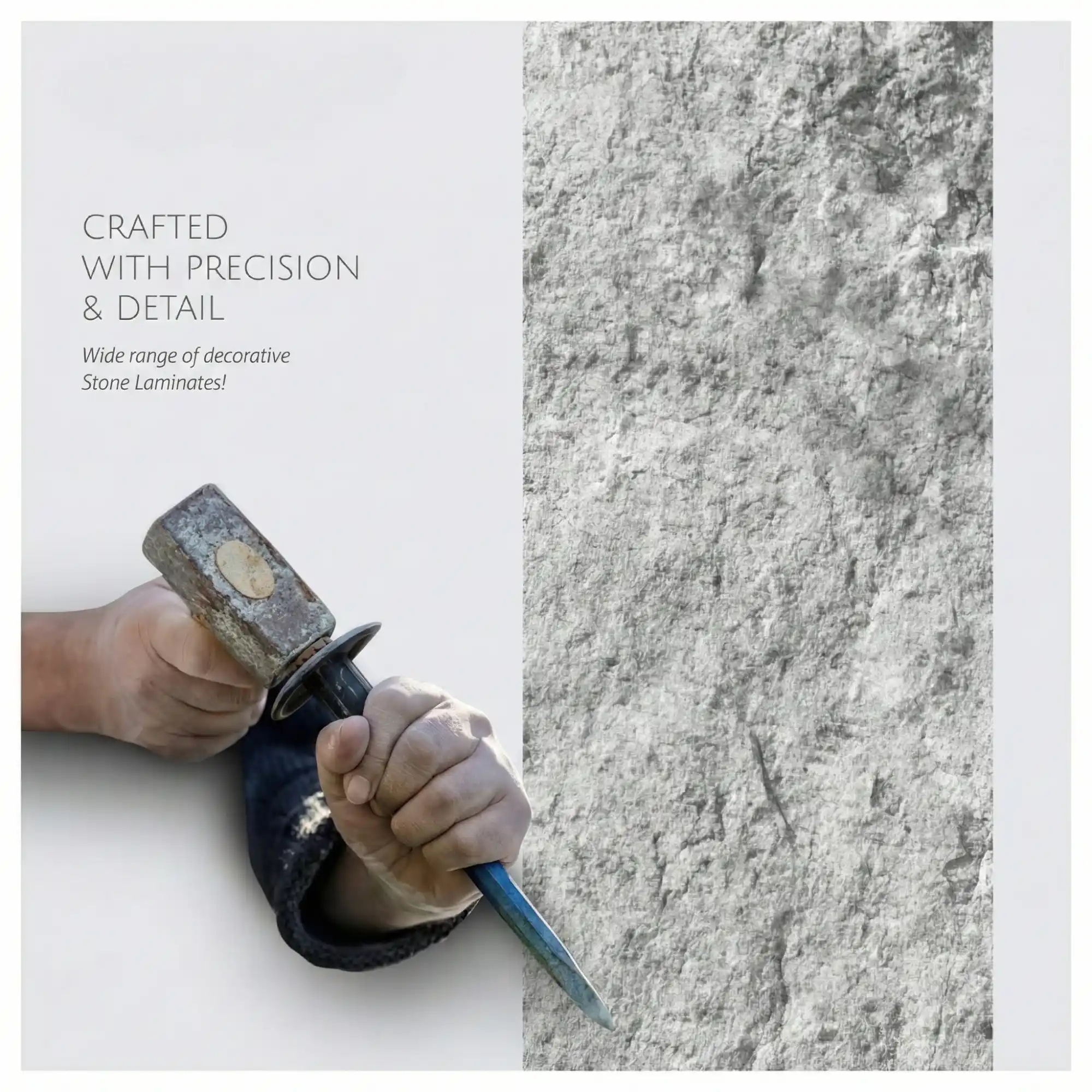
3. Stone Laminates
Stone-finish laminates bring a more raw and architectural appearance to interiors.
They can suit modern, industrial, rustic, and contemporary spaces, depending on the pattern and colour.
A stone-look surface can work particularly well when you want to break up an interior dominated by plain wood or solid colours.
4. Veneer Laminates
Veneer-look laminates are designed around the appearance of natural wood veneer.
They are useful when you want a refined wood aesthetic but want to explore a wider range of patterns, colours, and surface options.
Pay attention to grain direction when selecting one. A vertical wood pattern can make a wardrobe feel taller, while horizontal patterns can create a different visual balance on cabinets and furniture.
5. Digital Laminates
Digital laminates give designers more freedom than conventional repeating patterns.
They can be used when the surface itself is intended to become a visual element rather than simply imitate wood or stone.
They are worth considering for feature furniture, statement panels, commercial interiors, and spaces where a more distinctive design is required.
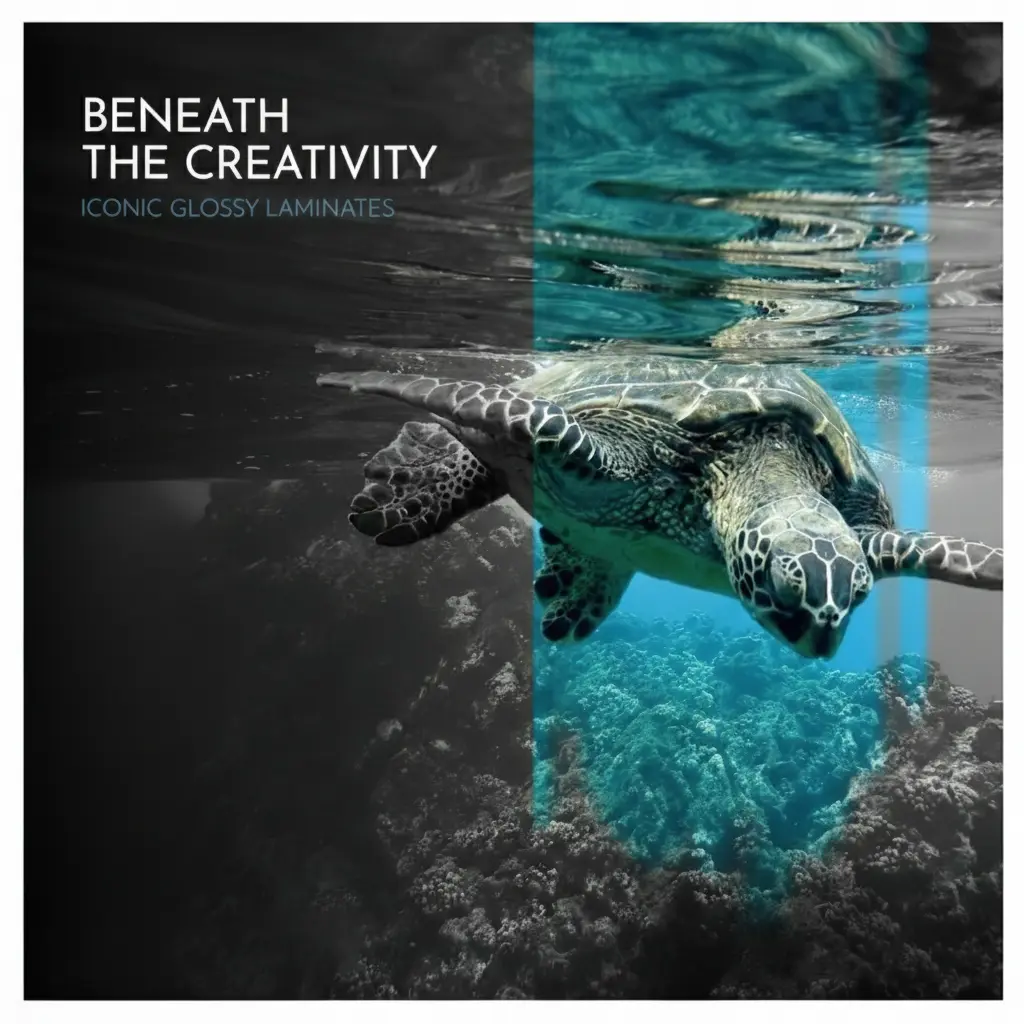
6. Glossy Laminates
Glossy laminate sheets have a reflective surface that can make colours appear brighter and create a cleaner, sharper visual effect.
They are often considered for modern kitchens, wardrobes, cabinets, and contemporary furniture.
The trade-off is practical: reflective surfaces can make fingerprints, dust, and surface marks more noticeable than they would be on a subdued finish.
7. Matte Laminates
Matte laminates have a softer, less reflective appearance.
They are a good fit for interiors where you want a calm and understated surface rather than a highly reflective one.
Matte finishes can work particularly well with neutral colours such as grey, beige, white, brown, and black.
8. Fluted Laminates
Fluted designs introduce vertical or linear texture to the surface.
They can add depth to wardrobes, TV units, wall features, and furniture without requiring a complicated decorative treatment.
If the interior already contains several strong patterns, however, a fluted design may be better used selectively rather than across every surface.
9. Cane Laminates
Cane-inspired laminates offer a woven, natural-material appearance.
They can work well in bedrooms, living rooms, wardrobes, and furniture where the goal is to introduce warmth and texture.
They are especially useful for creating a natural or relaxed interior style without relying entirely on conventional wood grain.
10. Ombre Laminates
Ombre laminates use a gradual colour transition rather than a single flat colour.
This makes them more of a statement finish than a conventional everyday wood or solid-colour laminate.
They can be useful for accent furniture, wardrobes, feature panels, and creative interior projects.
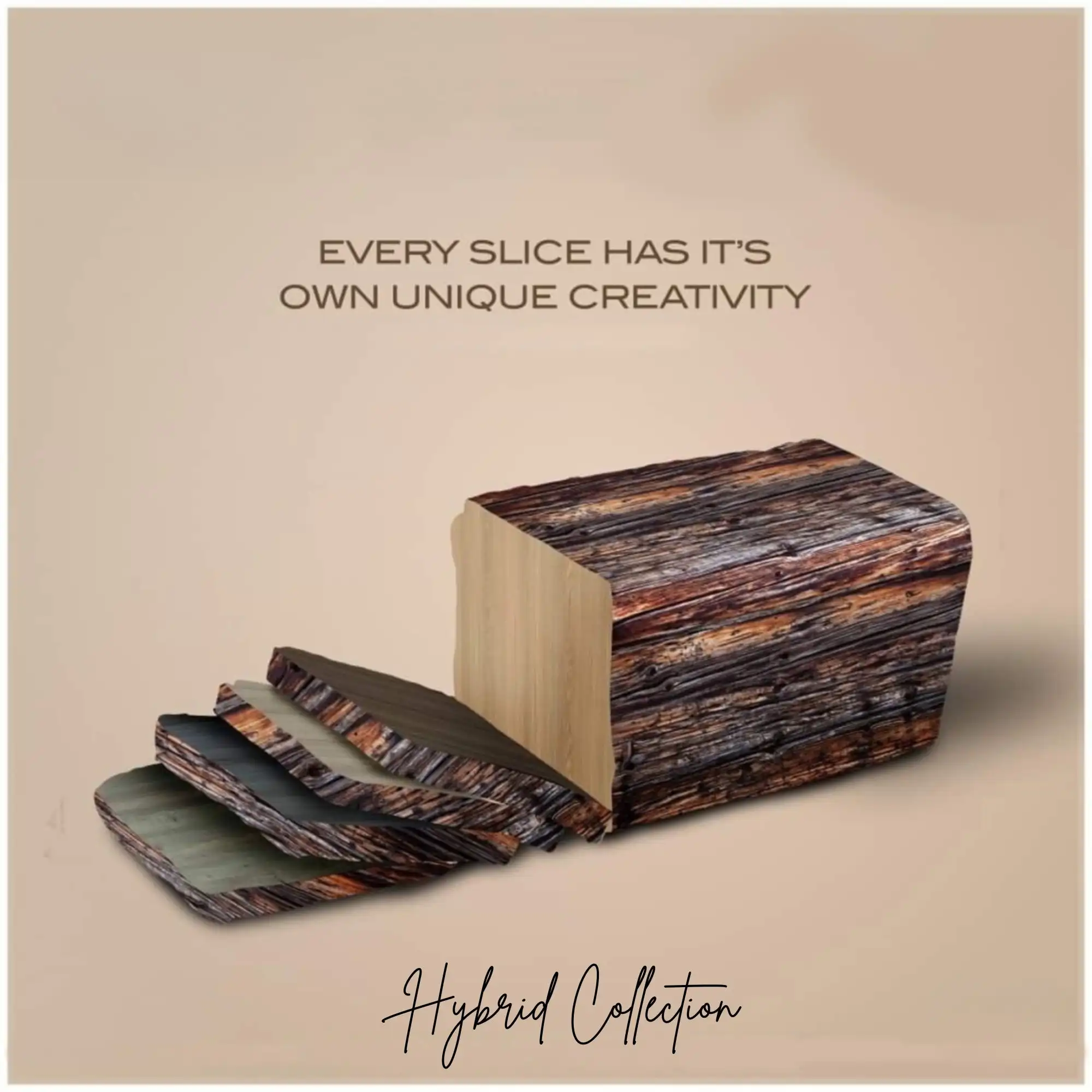
11. Canvas and Hybrid Laminates
Canvas and hybrid laminates provide additional options for designers looking beyond conventional wood and marble patterns.
They are useful when the surface itself needs to contribute texture or character to the overall design.
Laminate Cloud currently lists both Canvas Collection and Hybrid Laminates among its product categories.
Popular Laminate Designs
Choosing a laminate design is not simply about picking a colour.
The pattern, scale, texture, grain direction, and finish all influence how the finished furniture will look.
Some popular design directions include:
Design style
Where it can work
Wood grain
Wardrobes, kitchens, furniture
Marble
TV units, furniture, feature areas
Stone
Modern and industrial interiors
Fabric texture
Bedrooms, furniture, accent areas
Fluted
Wardrobes, TV units, feature furniture
Cane texture
Bedrooms, living rooms, wardrobes
Ombre
Accent furniture and statement surfaces
Digital patterns
Feature furniture and creative interiors
Solid colours
Kitchens, wardrobes, offices
Veneer look
Premium-looking furniture and cabinetry
Laminate Cloud’s catalogue currently includes colour filters for beige, black, blue, brown, grey, and white, giving buyers another way to narrow down the selection.
Laminate Finishes: Why They Matter
Two laminate sheets with the same colour can look completely different because of the finish.
The finish affects how light interacts with the surface and how much texture you can see or feel.
Common options in the current Laminate Cloud catalogue include:
Matt
Glossy
Embossed
Oak Texture
Satin Lacquer
Velvet
Synchro
Open Pore
Fabric
Stone
Fluted
Wicker
Subtle
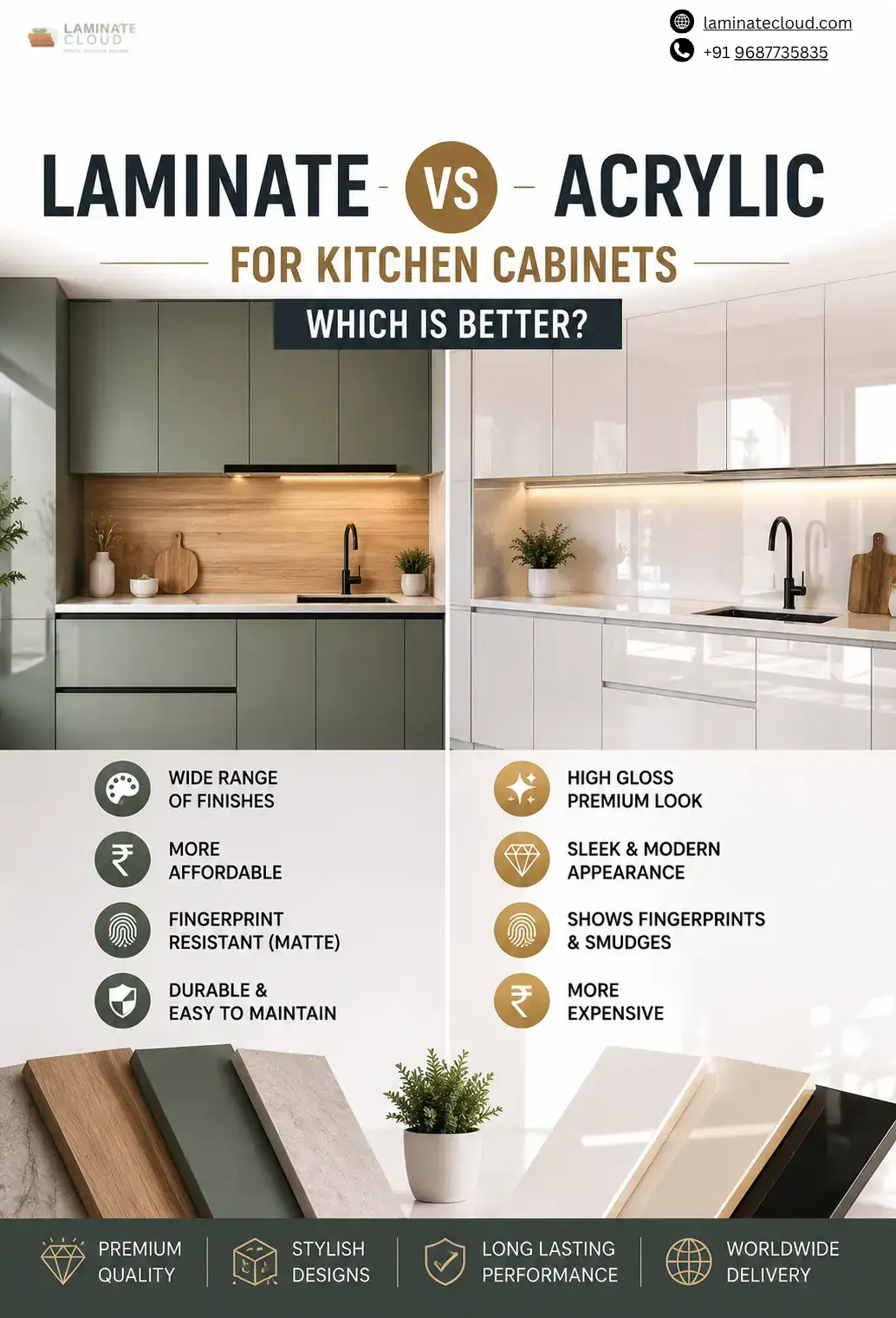
Glossy vs Matte Laminate
This is one of the most common choices.
Glossy laminates create more reflection and can give a modern, polished appearance.
Matte laminates have a quieter appearance and are generally better suited to people who prefer less visual reflection.
Neither is automatically better. The choice should depend on the room, lighting, colour, cleaning expectations, and overall interior style.
Textured vs Smooth Laminates
Textured laminates add another dimension to the surface.
Wood grains, stone patterns, fabric textures, fluting, and embossed finishes can make furniture feel more substantial.
Smooth finishes, on the other hand, create a cleaner visual appearance.
The best choice depends on whether you want the laminate to blend into the furniture or become part of its visual identity.
Laminate Sheets for Different Applications
The same laminate does not necessarily work equally well everywhere.
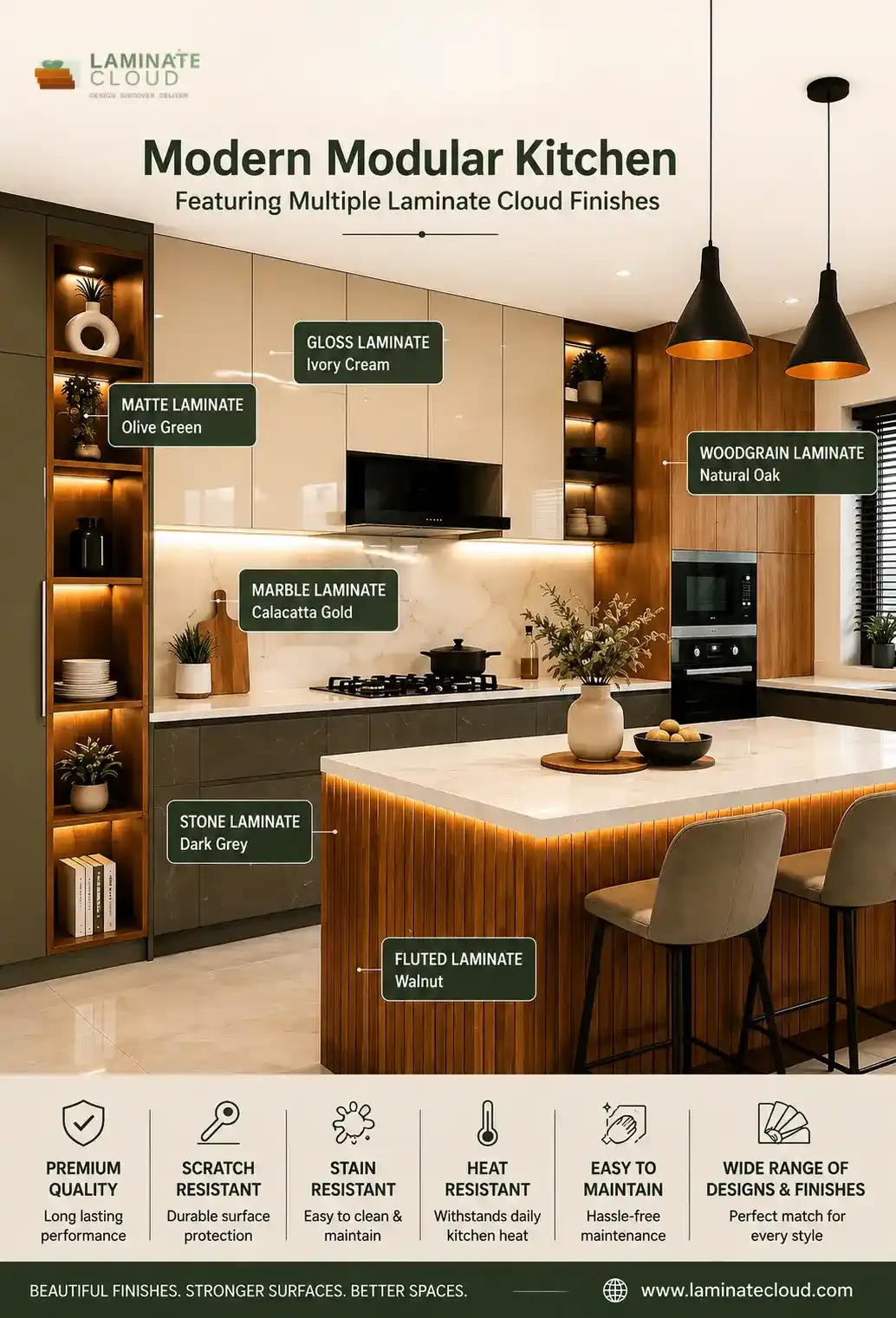
Laminate for Kitchen
Kitchen surfaces need to work with the overall cabinetry design while also handling regular cleaning and everyday use.
Wooden, marble, stone, glossy, matte, and solid-colour laminate designs can all be considered depending on the style of the kitchen.
For a smaller kitchen, lighter colours can help maintain a brighter appearance. Darker or highly patterned designs can be effective when used selectively.
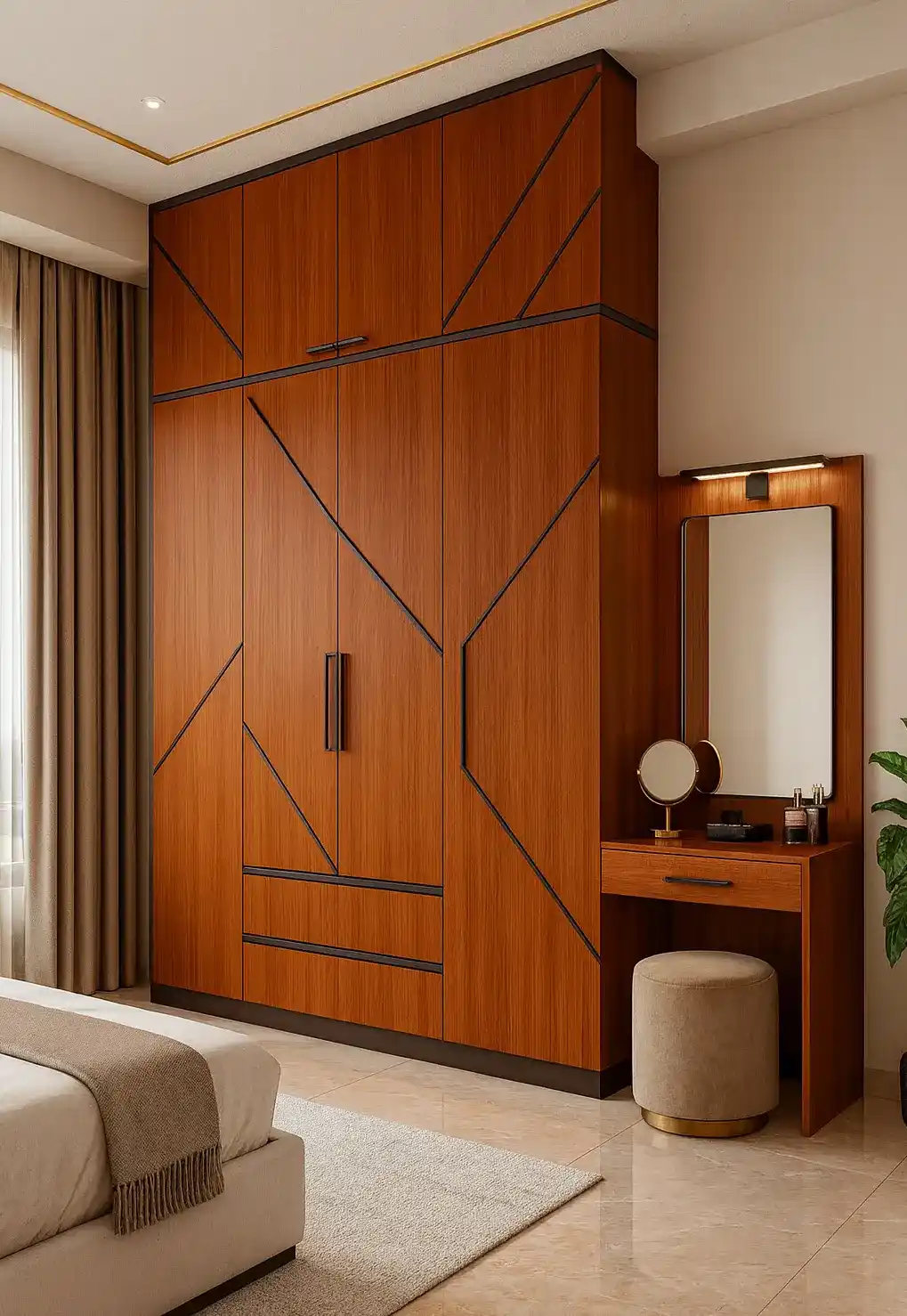
Laminate for Wardrobe
Wardrobes provide more freedom because the surface is often a large vertical area.
Wood finishes, matte colours, fluted patterns, veneer looks, cane textures, and ombre designs can all create very different results.
For a clean contemporary wardrobe, a subtle matte finish may work well. For a more decorative bedroom, a textured or patterned laminate can become the main feature.
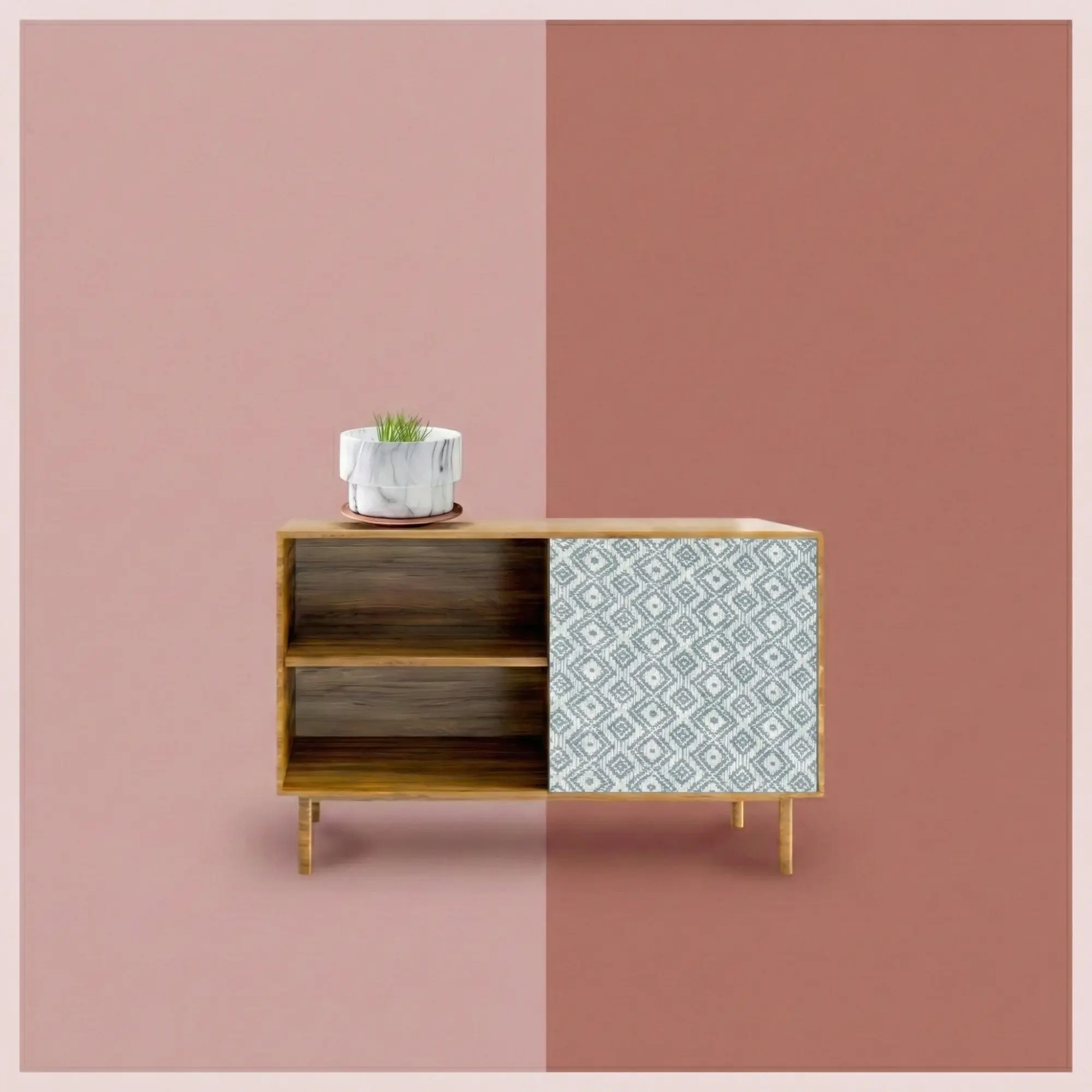
Laminate for Furniture
Furniture is where design flexibility becomes particularly useful.
You can use one laminate across the entire piece or combine two complementary surfaces.
For example:
Wood + solid colour
Marble + wood
Matte + glossy
Light wood + dark wood
Textured + plain
The key is restraint. Using several competing patterns on one piece can make the design look busy.
Laminate for Office Interiors
Office furniture generally benefits from designs that remain professional over time.
Wood finishes, neutral colours, subtle textures, and understated matte surfaces are usually easier to integrate into workspaces than highly decorative patterns.
For reception desks or feature areas, however, a more distinctive stone, marble, or digital design can create a stronger visual identity.
What Is the Price of Laminate Sheets in India?
Laminate sheets price depends on several factors, so there is no single rate that applies to every design.
Some of the main factors include:
Sheet size
Thickness
Surface finish
Design complexity
Material and construction
Category
Brand
Quantity purchased
At the time of writing, Laminate Cloud’s category page displays a product price range of approximately ₹2,000 to ₹3,800, while individual listed products currently show examples such as ₹2,050, ₹2,299, and ₹2,499 per sheet. Actual prices can vary by product and may change over time.
The website currently lists both 4’ × 8’ and 4’ × 9’ sheet sizes.
So when comparing prices, don’t look only at the number displayed beside a product.
Check the:
Sheet size
Thickness
Finish
Design
Quantity required
Delivery cost, if applicable
A cheaper sheet is not necessarily cheaper for the complete project if you need a different size, finish, or quantity.
How to Choose the Right Laminate Sheet
Instead of starting with a colour, start with the application.
Step 1: Decide where it will be used
Is it for a kitchen, wardrobe, bedroom furniture, TV unit, office, or another surface?
The application narrows down your practical choices.
Step 2: Choose the visual direction
Decide whether you want:
Wood
Marble
Stone
Solid colour
Fabric
Cane
Fluted
Digital
Ombre
Veneer-style
This makes browsing much easier.
Step 3: Select the finish
Think about how much texture and reflection you want.
A glossy finish creates a very different result from matte, open-pore, embossed, or synchro.
Step 4: Check the sheet size
Measure the surface before ordering.
Laminate Cloud currently offers 4×8 and 4×9 options, so the required size should be considered before finalising your selection.
Step 5: Order samples when you’re unsure
This is one step people often skip.
A colour displayed on a phone or laptop can look different under the actual lighting in your home or office.
A sample lets you check the laminate against:
Flooring
Wall colour
Cabinet material
Countertop
Natural light
Artificial lighting
That is especially useful for wood, marble, stone, and textured laminates.
Where to Buy Laminate Sheets Online
Buying laminate sheets online makes it easier to compare designs before visiting a physical store.
But don’t choose a supplier only because the catalogue looks large.
Check whether the website provides:
Clear product images
Sheet dimensions
Thickness information
Finish details
Current pricing
Samples
Delivery information
Product categories
Support for bulk orders
Laminate Cloud’s online catalogue allows products to be filtered by category, colour, size, application, price, and finish. The site also provides sample ordering and nationwide delivery information.
For professionals, the website also lists support for architects, interior designers, contractors, and bulk orders.
Laminate Sheets vs Natural Materials
Laminate is not intended to be a direct replacement for every natural material.
The better question is what your project actually needs.
If you want the appearance of wood, marble, or stone but need a decorative surface option with a broad range of patterns and finishes, laminate gives you considerable flexibility.
It also allows you to change the visual character of a piece of furniture without changing the underlying board.
For projects where the natural material itself is the priority, however, genuine wood, stone, or other materials may still be the preferred choice.
Common Mistakes When Buying Laminate Sheets
Choosing from a screen alone
Colours and textures can look different in person.
Ignoring the finish
The same design can look dramatically different in matte, glossy, or textured versions.
Measuring after ordering
Measure first. Ordering based on an estimate can create unnecessary waste or leave you short of material.
Picking a design without considering the rest of the room
A laminate should work with the flooring, walls, handles, countertop, lighting, and other furniture.
Buying only on price
Price matters, but design, size, thickness, finish, and application matter too.
Using too many patterns together
If the furniture already has a strong marble, fluted, or digital pattern, surrounding it with several other bold finishes can make the room feel visually crowded.
Frequently Asked Questions
What are laminate sheets used for?
Laminate sheets are commonly used as decorative surfaces for furniture, cabinets, wardrobes, kitchens, TV units, offices, wall panels, and other interior applications.
Which laminate sheet is best for a kitchen?
There is no single best design for every kitchen. The right choice depends on the cabinet style, colour scheme, lighting, cleaning requirements, and desired finish. Matte, glossy, wood, marble, stone, and solid-colour options can all be considered.
How much do laminate sheets cost?
Laminate sheets price varies by size, thickness, design, finish, and category. Laminate Cloud currently displays products across roughly the ₹2,000–₹3,800 range, with individual products listed at different prices. Always check the current product price before ordering.
What sizes are laminate sheets available in?
Laminate Cloud currently lists 4×8 and 4×9 foot sheet sizes. Availability can vary by product.
Can I buy laminate sheets online?
Yes. Laminate sheets can be purchased online, provided you check the product specifications, dimensions, finish, pricing, delivery information, and sample availability before placing an order.
Are matte or glossy laminates better?
Neither is universally better. Glossy finishes are more reflective and create a polished appearance, while matte finishes provide a softer, less reflective look. The right choice depends on the room and the appearance you want.
Which laminate is suitable for wardrobes?
Wooden, veneer-look, matte, fluted, cane, solid-colour, and ombre laminates can all work for wardrobes. The choice depends primarily on the bedroom’s overall design.
Can laminate sheets be used for furniture?
Yes. Furniture is one of the common applications for decorative laminate sheets. Different designs can be combined to create contrasting or coordinated surfaces.
Final Thoughts
Choosing laminate sheets becomes much easier once you stop looking at them as simply “wood finish” or “colour options.”
Think about the project as a whole.
Start with the application, decide on the visual direction, choose the finish, check the available sheet size, compare prices, and order samples if you’re unsure about the final colour or texture.
Whether you’re looking for a warm wood grain for a wardrobe, a marble surface for a TV unit, a matte finish for modern cabinetry, or a more distinctive fluted, cane, digital, or ombre design, the right laminate should fit both the design and the way the space will actually be used.
Explore Laminate Cloud’s range of laminate sheets online to compare designs, categories, finishes, sizes, and prices before choosing the surface for your next interior project.
 Track Your Order
 Info@laminatecloud.com
 Exclusive Offer
Currently Available
Exclusive Offer
Currently Available