We get this question a lot.
Someone is planning a new wardrobe or redoing their kitchen. They open our catalogue, see the price difference between finishes, and ask — "Is the expensive one actually better, or am I just paying for the brand name?"
So we did something about it. We took a set of budget laminate sheets and a set of premium ones. Same surfaces, same tests, same conditions. No staged photos, no scripted results.
Here's what we found.
First, What "Premium" and "Budget" Actually Mean
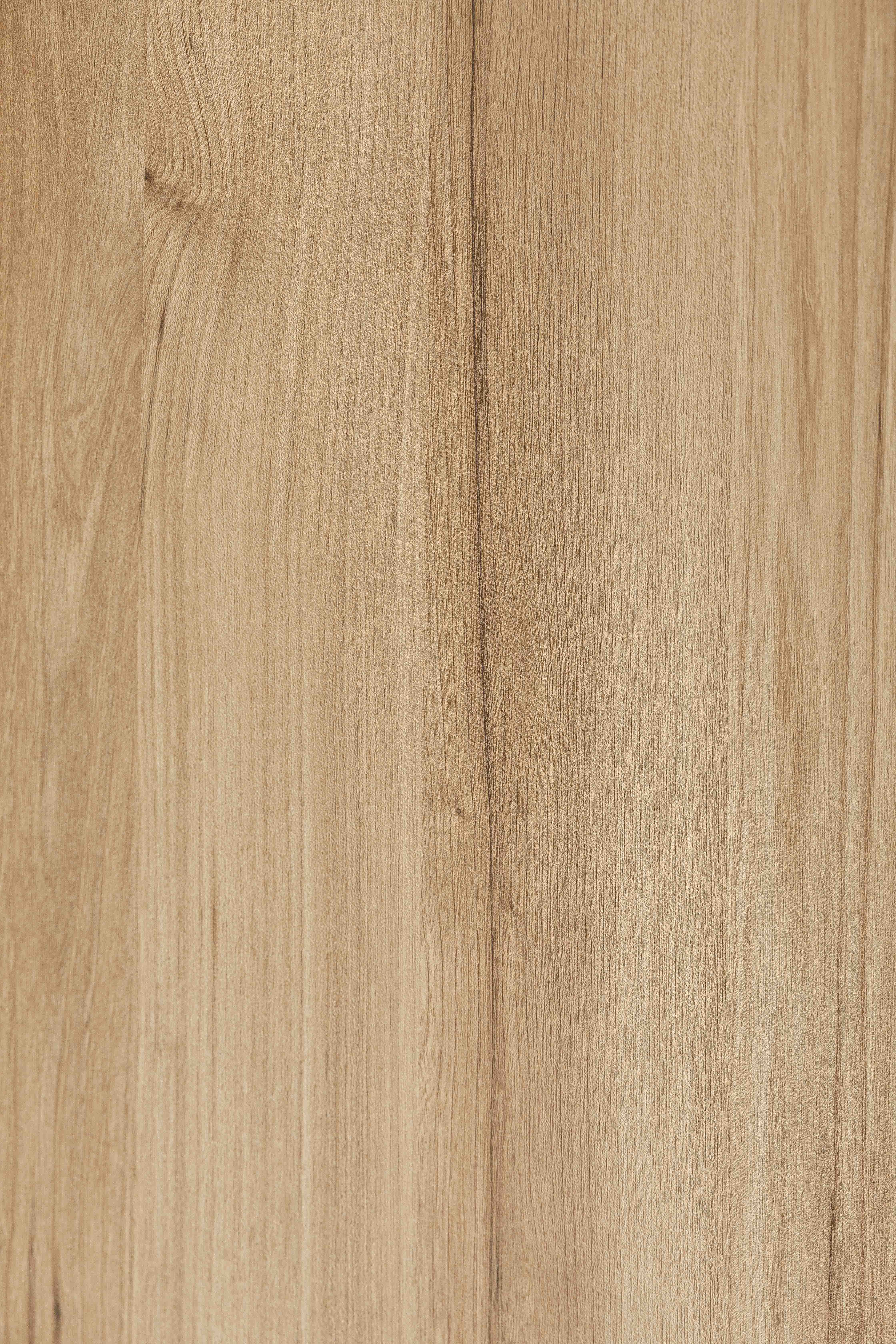
In the laminate world, price difference usually comes from three things: the thickness of the laminate, the quality of the core sheet it bonds to, and the surface treatment — whether it's a standard texture or something more refined like a soft-touch or high-gloss finish.
Budget laminates are typically 0.8mm to 1mm thick. They work fine for low-contact surfaces and short-term furniture.
Premium laminates usually start at 1mm and go up to 1.5mm or more. The surface is more resistant to scratches, heat, and moisture. The texture feels more deliberate.
That's the theory. Here's what we actually saw.
The Scratch Test
We dragged a key across both samples. Not gently — with real pressure, the kind that happens when someone pulls a chair across a floor or a kid drags something across a cabinet.
The budget sheet showed a faint mark right away. It wasn't deep, but it was there under light.
The premium sheet? You had to look for it. After three passes, there was a very faint line, but nothing that would be visible in a room.
If your laminate is going on a wardrobe door that mostly gets touched by hands, the difference may not matter much. If it's a kitchen cabinet near a countertop where things get dragged around — it matters.
The Heat Test
We placed a steel cup with hot tea on both sheets for five minutes. This is roughly what happens every morning in most Indian kitchens.
The budget sheet developed a faint white ring. It faded after a few hours, but it was there.
The premium sheet had no visible change.
For a kitchen platform or near a stove? Premium is worth it. For a bedroom wardrobe door? The heat test is basically irrelevant — you're never putting a hot cup there.
The Moisture Test
We left a damp cloth on both sheets for 30 minutes.
Neither showed immediate surface damage. But at the edges — where the laminate meets the board — the budget option showed slight swelling near a cut corner. The premium sheet's edge held clean.
This matters a lot for kitchen laminates and bathroom furniture. The edge quality is where cheap laminates fail first, especially in humid climates.
What Looked Better After 6 Months
We installed sample panels of both in a moderately used storage area. Six months later, here's the honest answer: in normal conditions, both looked fine.
The budget laminate showed slightly more micro-scratches when light hit it at a certain angle. The premium sheet still looked close to new.
But we're talking about a storage area. Not a high-traffic kitchen. Not a wardrobe that gets opened and closed thirty times a day.
Context matters more than most people admit.
Where Budget Laminates Make Sense
Not every surface in your home needs a premium laminate. Here are places where budget is a perfectly reasonable call:
Back panels of cabinets. Nobody sees them. Nobody touches them. A standard 0.8mm laminate does the job.
Inside wardrobe shelves. Again, low contact. You're not scratching or heating this surface.
Temporary setups or rental furniture. If the furniture isn't permanent, spending more on surface quality doesn't make financial sense.
Low-traffic storage units. A linen cabinet in the guest room doesn't need the same laminate as a kitchen shutter.
Where Premium Laminates Are Worth It
Some surfaces take a beating every single day. These are not the places to cut corners.
Kitchen cabinet shutters. They get greasy fingers, cleaning sprays, and steam. A higher-quality laminate lasts noticeably longer here.
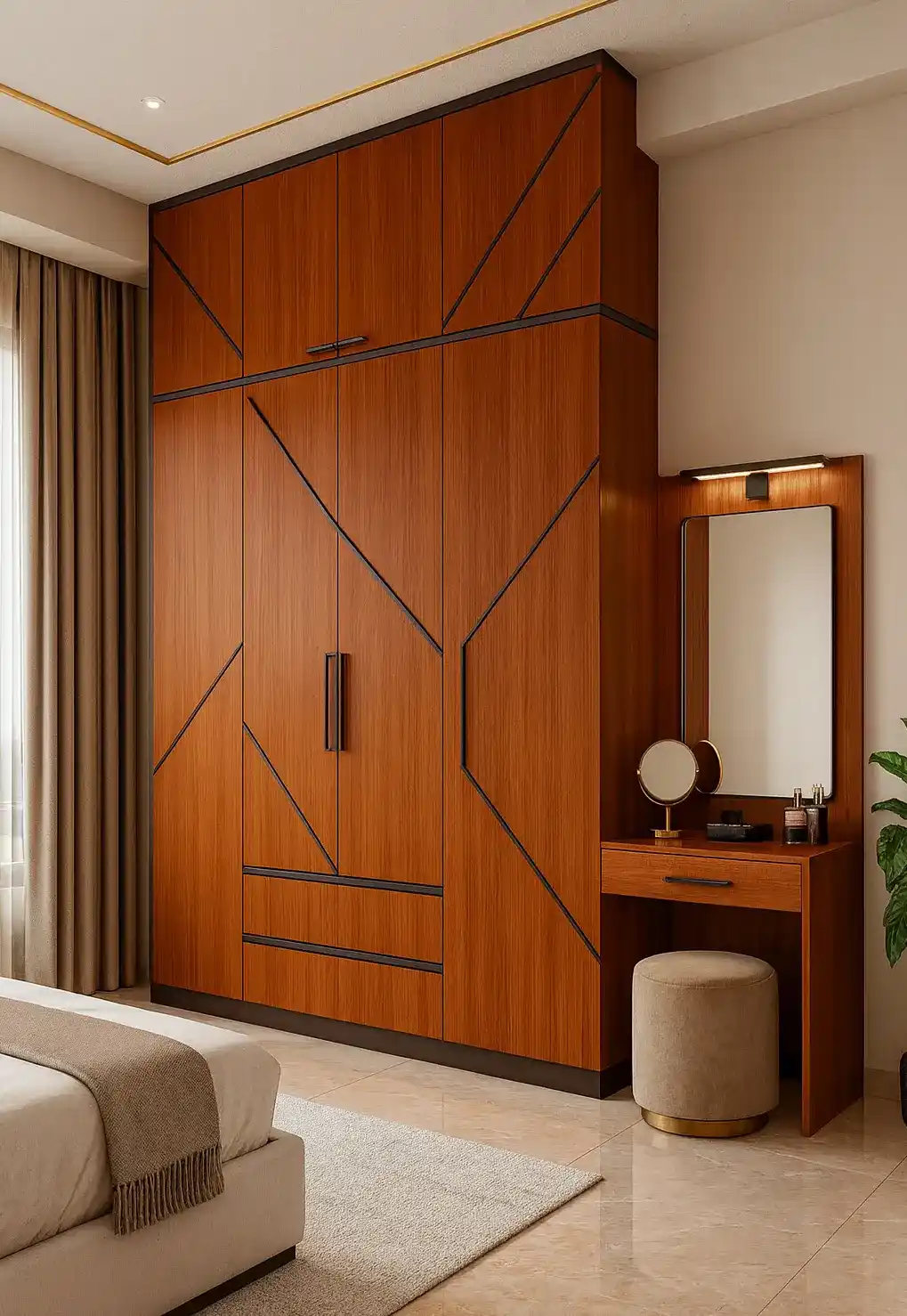
Wardrobe doors in daily-use bedrooms. Handles, edges, and hinged areas wear out first. A thicker, better-finished laminate holds up.
TV unit panels. These are visible from across the room, and they're where people show off finishes like fluted textures or high-gloss acrylic. Budget laminates don't do these finishes justice.
Any surface near water. Bathrooms, kitchen platforms, utility areas — moisture is where cheap laminates lose the fight.
The Price Difference, in Real Terms
On average, premium decorative laminates cost 20–40% more than standard budget options per sheet.
On a typical 3-door wardrobe, the material cost difference works out to roughly ₹800–₹1,500 extra for the entire project — depending on the finish you choose.
On a modular kitchen, it could be ₹2,000–₹4,000 more for premium shutters.
That's not nothing. But compared to the total cost of getting a wardrobe or kitchen made, it's a relatively small number for something you'll look at and touch every day for the next ten years.
Our Honest Take
If you're on a tight budget and you're doing a low-contact surface — don't overthink it. A decent budget laminate will be fine.
But if you're doing a kitchen or a wardrobe that's going to get used hard, the price difference over the life of the furniture isn't really that large. And re-doing a shutter or a panel because the laminate started peeling two years in? That costs more than just upgrading the first time.
The test results don't lie. Premium laminates perform better under stress. The question is just whether the surface you're covering is actually going to be under stress.
For most kitchens, the answer is yes.
Want to see the difference yourself? First Register on our website then Order a free sample from our collection — we'll send you swatches of both finishes so you can feel the quality before you decide.
Browse Laminate Sheets
 Track Your Order
 Info@laminatecloud.com
 Exclusive Offer
Currently Available
Exclusive Offer
Currently Available